Behind every efficient plant is a maintenance team fighting a constant enemy: oil, carbon, and baked-on grime that blunt performance long before components actually fail. In a market where every hour of availability counts, how degreasers improve equipment maintenance is not a small question—it sits at the heart of reliability, safety and cost control. For South African plant engineers, maintenance managers and industrial contractors, the story is as much about maintenance reliability & plant efficiency as it is about chemistry.
Downtime is rarely a single catastrophic event. More often, it’s incremental: a heat exchanger losing transfer efficiency as film builds up; a conveyor gearbox running hotter because old grease won’t let fresh lubricant do its job; a PLC enclosure that attracts dust because a light oil film never got removed. Clean metal surfaces dissipate heat, seal properly, lubricate correctly and allow accurate inspection. That is the role of industrial degreasing—enabling the plant to run as designed.
Explore Orlichem’s engineering industry solutions
Effective degreasing is not cosmetic—it’s foundational to asset care. In practice, what is the role of degreasers in engineering? Three things stand out:
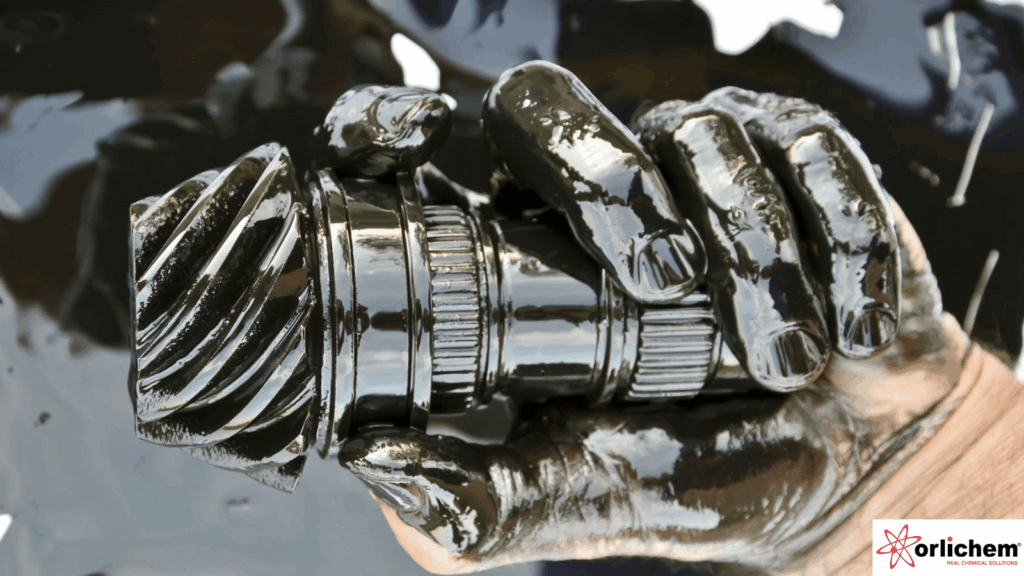
A film of oil, fuel residue or process fats acts like insulation on heat-dissipating parts and a magnet for abrasive dust. Removing it restores heat transfer, reduces friction and prevents the creation of “grinding paste” that accelerates wear. That’s how degreasers extend equipment life: by returning surfaces to their intended operating condition.
Cracks, fretting and weeping seals are nearly impossible to spot on dirty assemblies. Degreasing reveals faults early, enabling targeted interventions during planned stops rather than unplanned breakdowns.
From repainting a motor base to applying anti-corrosion coatings on pipe supports, surface preparation determines coating adhesion. Degreasing is the first—and often most important—step before abrasion or passivation.
It’s 06:00 at a Gauteng machining plant. The maintenance team has a six-hour window before production restarts. The plan is simple: reset the CNC cells, conveyors and coolant systems to spec.
The foreman starts with a risk briefing: lockout applied, hot surfaces flagged, spill kits checked, PPE issued. The team walks the route, noting areas with heavy oil mist near extraction fans and a stubborn carbon film around a diesel compressor.
There’s no one-size-fits-all degreaser. The team picks an aqueous alkaline degreaser for general oil and coolant residues in the CNC area—safe on most metals and paint, quick-rinse, low odour. For the compressor’s carbon bake-on, they set aside a solvent boost for targeted use: faster penetration on tarry deposits, applied with strict ventilation and ignition controls. Plastics around sensors get a residue-free electrical cleaner on wiped cloths to avoid pooling.
Industrial degreasing best practices hinge on matching the soil to the solvent system, then controlling dwell time, agitation and rinse. Chemistry is the enabler; process discipline delivers the result.
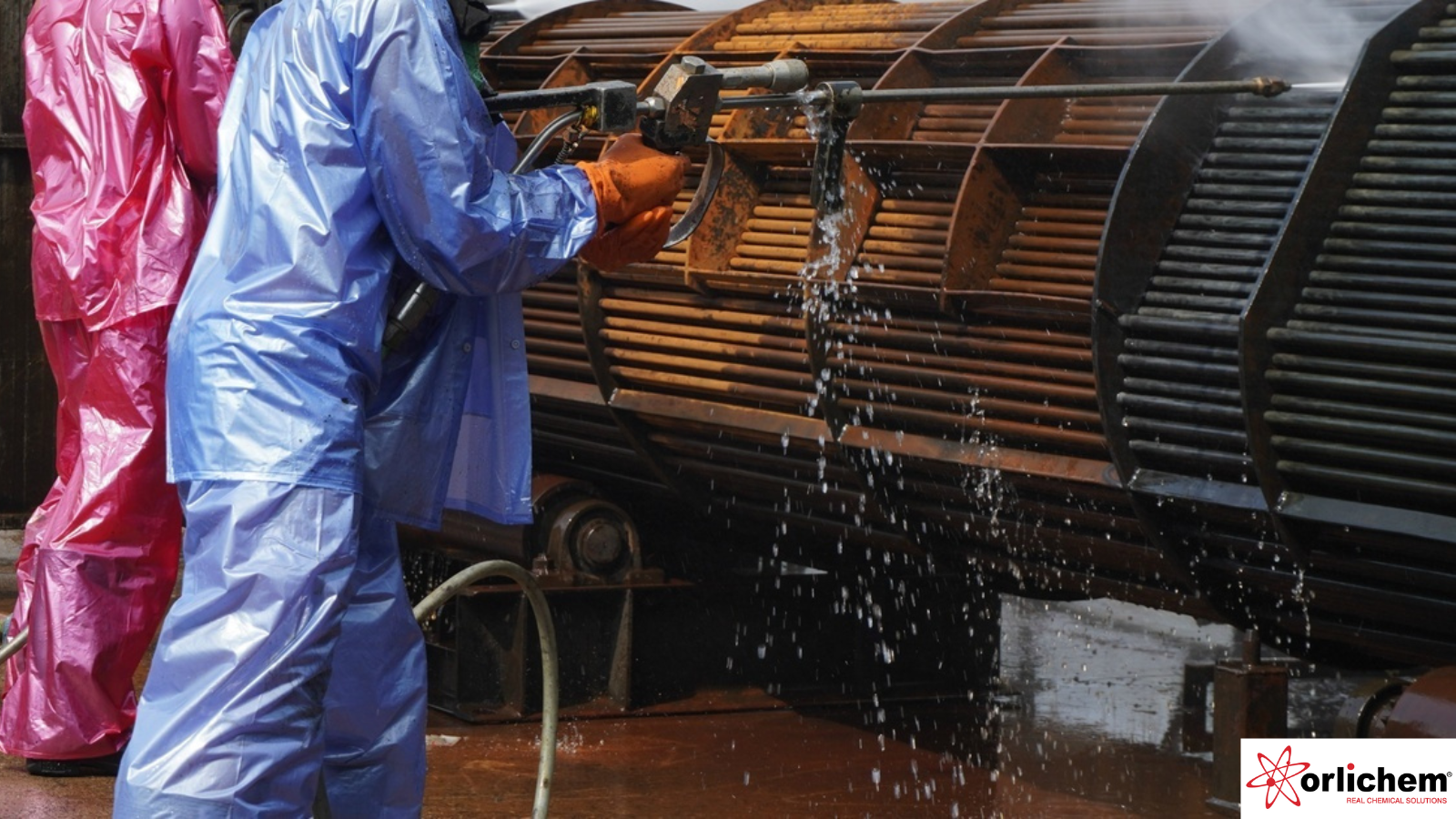
Operators pre-wipe loose oil to reduce chemical load. Foam lances lay a clingy layer on vertical surfaces, buying dwell time without run-off. Agitation is mechanical where possible—nylon brushes on flanges, non-sparking scrapers on stubborn films—because agitation reduces chemistry strength and contact time needed.
Rinse water is captured in trays beneath the conveyors; absorbents stand by for drips. The team routes collected effluent to the site’s interceptor and trade-effluent tank, avoiding storm-water grates. Components are air-dried before relubrication to prevent water trapping under seals.
Infrared thermography shows gearbox housings running cooler post-clean; torque checks on reassembled guards confirm nothing was overtightened; inspection photos are logged to the CMMS. What looks like “cleaning” translates directly into measurable reliability improvements.
South African factories operate under varying constraints—aging infrastructure, tight shutdowns, and sometimes limited effluent handling. These realities shape industrial degreasing best practices.
Control: Prefer aqueous systems for general work; reserve high-flash or non-flammable solvents for specific soils; ensure ventilation, static control and hot work permits when needed.
Control: Check pH compatibility charts and run spot tests. Painted floors, galvanised steel and elastomers can be sensitive to aggressive alkalinity or certain solvents. Rinse thoroughly and neutralise where required.
Control: Segregate rinse waters from storm water; route to oil-water separators; keep SDSs and disposal manifests on file. Work with your municipal by-laws and trade-effluent permits.
Control: Dry promptly, relubricate to spec, and consider a final wipe with a corrosion-inhibiting maintenance fluid on bare steel.
Plant cleaning and degreasing intersect with multiple frameworks:
Employers must identify chemical hazards, implement controls, and train staff. Practically, that means risk assessments, ventilation where solvents are used, PPE, and emergency response (eyewash, spill control).
SANS documents inform safe storage, labelling, handling and effluent management. Look for alignment with SANS-referenced chemical safety practices and workplace exposure limits.
Trade-effluent by-laws and waste management rules require correct capture and disposal of oily waters and contaminated absorbents. Keep disposal certificates and interceptor maintenance records.
While SAMSA and TNPA primarily govern maritime operations and ports, the mindset applies: clear permits, confined-space protocols and environmental protection. For land-based engineering plants, your primary anchors remain OHSA and SANS, plus local municipal by-laws.
Instead of a checklist, think in narratives your technicians can follow.
Goal: create a surface you can trust.
Approach: degrease to bare metal where inspection is required; photograph before and after; log temperatures and vibration on restart to validate the improvement.
Goal: avoid residue that migrates into product or fouls sensors.
Approach: choose low-odour, fast-rinse aqueous degreasers around packaging and sensors; wipe electricals with residue-free options; confirm no pooling near photo-eyes and encoders.
Goal: return the line to its baseline.
Approach: staged degreasing from top to bottom; capture and manage effluent; re-grease, re-align and torque-mark guards before restart.
To select wisely, align product families to your soils and substrates:
Best for cutting oils, coolants, general hydrocarbon films. Often safer for SA factories due to low flammability and easy rinsing. Watch pH on aluminium and zinc; choose inhibited, metal-safe blends where needed.
Useful on heavy tars, carbon, bitumen and weathered grease. Value lies in penetration speed and residue control. Manage vapours, ignition sources and waste streams carefully.
Fast-evaporating, residue-free fluids for contact points, sensors and control cabinets. Apply with wipes to limit overspray; re-energise only after full evaporation.
Cling to verticals and overheads, extending dwell time while reducing runoff. Helpful for pipe racks, motors and housings where you need chemistry to “stay put”.
For guidance on matching chemistry to application, see Orlichem’s engineering overview: Industries ? Engineering.
The business case arrives in three lines on your OPEX ledger.
Clean housings shed heat; clean sprockets and chains run smoother; clean fins on coolers restore air-side efficiency. Each incremental gain stretches component life.
Technicians move quicker when parts are not sticky, and they see defects earlier. That translates into shorter planned stops and fewer surprises.
Disciplined capture and disposal simplify environmental audits and reduce the risk of non-compliance penalties.
Degreasers remove oils, greases and carbon films that trap heat, attract dust and hinder inspection. Clean surfaces let components run cooler, coatings adhere properly, and technicians spot early failures—improving reliability without changing the underlying machine design.
By stripping insulating films and abrasive grime, degreasers restore correct heat transfer and reduce friction. Bearings, gearboxes and chains then operate within designed temperature and load ranges. The result is fewer premature failures and longer intervals between component replacements.
Match chemistry to soil, control dwell time, agitate mechanically, and rinse thoroughly. Prefer aqueous systems for general work, reserve solvents for stubborn deposits, capture rinse water, and comply with OHSA, SANS guidance and municipal trade-effluent by-laws. Train teams and document outcomes.
Not always. High-pH cleaners can attack aluminium or zinc; some solvents can soften paints and elastomers. Always check compatibility, run spot tests and use inhibited, metal-safe options where required. Rinse and dry promptly to avoid streaking or flash-rust on bare steel.
Keep degreasing away from storm-water drains. Use drip trays, absorbents and interceptors; segregate oily waters and dispose via approved channels with manifests. Maintain SDSs, training records and interceptor service logs to simplify environmental and OHSA audits.
Clean equipment is efficient equipment—and efficient equipment is reliable, auditable and safe. In South African plants where every hour of uptime matters, degreasing is a strategic maintenance tool, not a chore. Start with a small, standardised toolkit and embed dwell-agitate-rinse discipline; the measurable gains will follow on your thermal maps, vibration trends and schedule adherence.
Ready to tighten your programme? Speak to Orlichem’s engineering team about selecting and implementing the right degreasers for your soils, substrates and effluent constraints:


 Previous