February 28, 2025
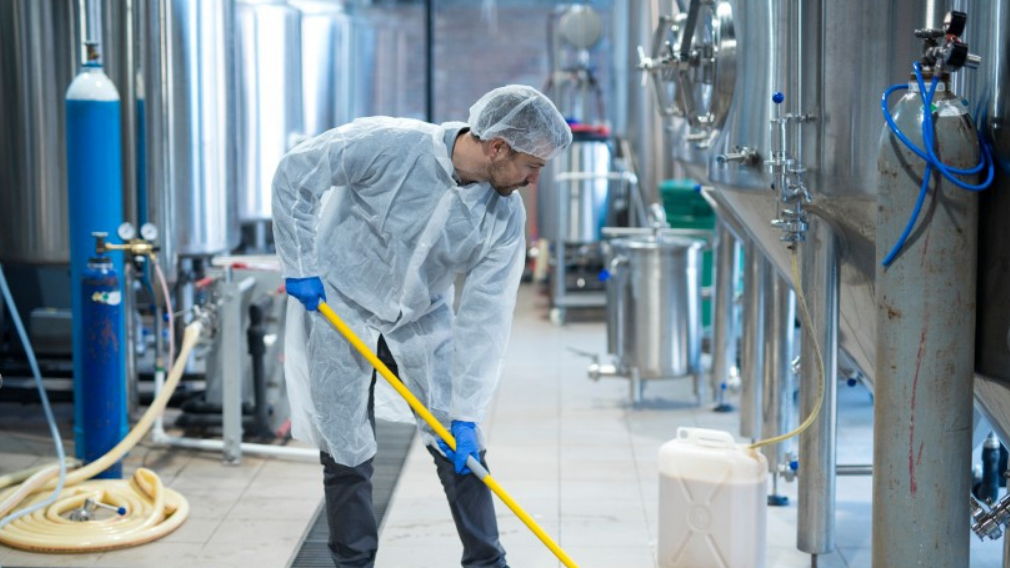
South African manufacturers often treat “CIP” as a universal discipline. It isn’t. Clean-in-place in a dairy or brewery is designed to remove organic soils, mineral scale and biofilms from product-wetted surfaces without dismantling equipment. In a sterile pharmaceutical facility, CIP must also support low-residue, low-endotoxin outcomes and validate against current Good Manufacturing Practice (cGMP) expectations. The chemistry, evidence burden and risk tolerance are not the same.
Local context sharpens the gap. Utilities are volatile; water use, effluent permits and energy availability shape what’s realistic on a Cape Town bottling line or a Midrand tablet plant. Unlike marine operations governed by bodies such as SAMSA and TNPA, food and pharma facilities sit squarely under OHSA and SANS frameworks — and, for pharma, stringent cGMP expectations enforced via regulatory audit. In both sectors, the cost of getting CIP wrong is measured in contamination incidents, lost batches, non-conformances, and reputational damage.
If your CIP specification reads the same for yoghurt tanks and compounding vessels, you’re carrying hidden risk — and likely overspending somewhere, too.
In the food industry, CIP targets proteins, fats, sugars, and milkstone/beerstone. Typical sequences rely on alkaline detergency, sequestrants for hard water, and acid descaling to manage mineral deposits. Rinsability, foam control and compatibility with elastomers and stainless steel are central.
In pharmaceutical manufacturing, CIP must manage not only product residues (actives, excipients) but also endotoxin control, bioburden reduction prior to sterilisation, and evidence of low non-volatile residue (NVR). That pushes chemistry toward low-foaming, low-residue, highly rinsable formulations with validated removal profiles and tight process limits.
A Midrand dairy once traced recurring plate-heat-exchanger pressure drops to incremental milkstone buildup — a chemistry mismatch compounded by hard feedwater and short acid contact times. On the pharma side, a sterile suite’s final-rinse conductivity drifted upward after a detergent change; the product’s wetting aids were harder to rinse at lower temperatures during winter energy curtailments. Both stories end the same way: downtime, rework, investigation, and a loss of confidence until the chemistry and parameters were reset.
Downtime is brutally expensive. A 60-minute CIP extension on a high-throughput filler can erase the day’s margin. Overdosing to “be safe” isn’t free either: you pay in chemical cost, rinse water, effluent treatment and the risk of residues. The smart play is right-sized chemistry matched to soils, surfaces, utilities and compliance demands.
Food plant: A Cape Winelands brewery faces hop resins and protein films. The team leans on a caustic-based detergent with surfactant boosters and chelation to manage hard water, then uses a periodic acid cycle to dissolve beerstone. Tanks, piping and heat exchangers are 304/316 stainless with EPDM seals; foam suppression matters to protect pump NPSH.
Pharma plant: A Gauteng oral-dose facility must clean viscous syrups rich in sugars and flavour oils. They specify a low-residue alkaline detergent designed for pharmaceutical use, validated on coupons representative of their 316L lines and diaphragm valves. Elastomer compatibility is checked against EPDM/PTFE spares lists.
Water: Municipal hardness in many regions will devour alkaline strength unless you build in sequestrants or pre-treat water. A beer cellar with 250 ppm as CaCO? needed elevated chelation to avoid scale shadowing.
Temperature & energy: Load-shedding pushes plants to lower-temperature CIP. That demands detergents with stronger wetting at 40–50 °C and longer contact times. In pharma, dropping from 80 °C to 50 °C motivated a switch to a product with equivalent soil solubilisation at reduced heat.
Food: Rinse to sensory neutrality and conductance baseline; verify no taint/odour. A well-chosen acid step helps strip surfactant films.
Pharma: Define acceptance criteria (e.g., conductivity, TOC, specific analyte) and prove you hit them across worst-case trains. Low-residue formulations matter because every extra rinse costs time, WFI/RO volumes and compliance risk.
Food: Depending on product risk and environmental monitoring, a no-rinse disinfectant may follow CIP for certain circuits or be reserved for CIP-to-drain hygienic barriers. Choice hinges on efficacy claims relevant to food pathogens and compatibility with elastomers. Explore sector-appropriate options under Disinfectants.
Pharma: Many pharma systems terminate with sanitisation/sterilisation (steam or chemical) after detergent stages. If using chemical sanitisers, ensure sterile-grade, low-residue products with validated kill curves and clear bioburden/endotoxin rationales.
Mineral control is a universal need — but acid choice differs by sector and metallurgy. Integrate acid descaling at frequencies dictated by fouling rates; avoid chloride stress on stainless steels. Enhance baseline CIP performance with targeted CIP additives to improve wetting, sequester hardness, or control foam without raising residue risks.
The cheapest detergent becomes the most expensive when it swells seals or etches a heat-exchanger plate. Insist on compatibility data for stainless grades, gaskets, sealants, and membranes (if CIPing filtration). Track surface roughness (Ra); harsh chemistry can worsen cleanability over time.
Food plants prove effectiveness with ATP swabs, microbial plates, and trend analyses; pharma adds protocolled validation — worst-case soils, corners, residence times, documented cleaning limits, and periodic re-validation. In both, keep a living file of SOPs, batch records, certificates of analysis, and change controls tied to chemistry.
The decision tree isn’t “Which drum is cheapest?” It’s: What are we removing? What are we protecting? What can our utilities deliver? What must we prove?
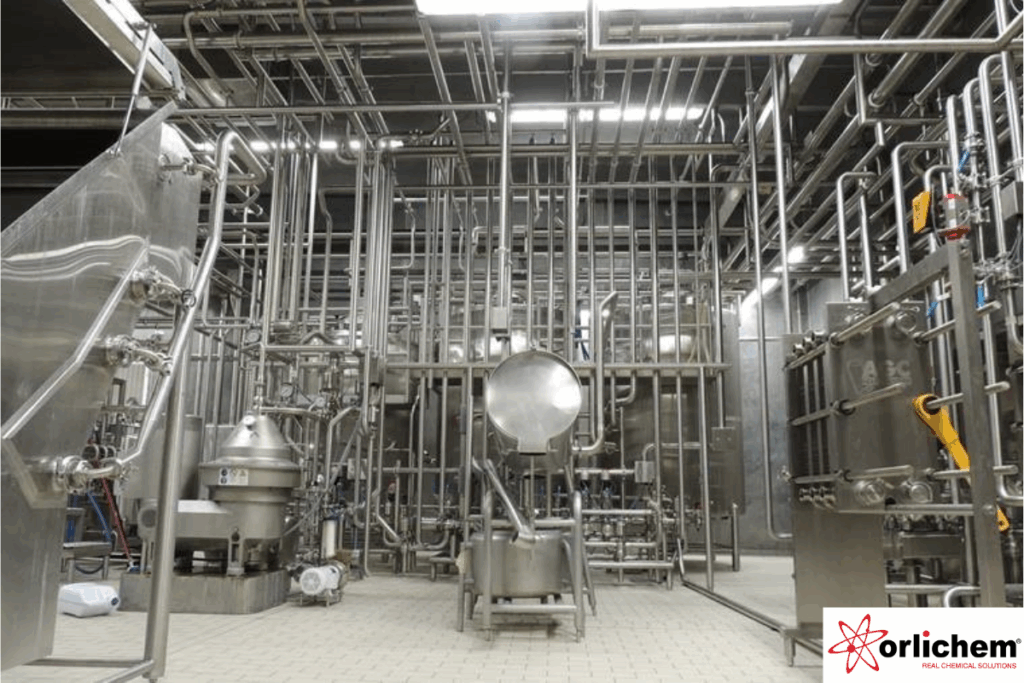
South African plants must ensure worker safety under OHSA and demonstrate hygienic design and cleaning efficacy aligned with SANS food hygiene standards and recognised pharma practices. Food manufacturers align CIP with hazard plans and audit schemes; pharmaceutical facilities document to cGMP-style expectations with defensible acceptance criteria and data integrity. Maritime bodies such as SAMSA and TNPA are not in scope here; they underscore why sector-specific regulation matters.
For procurement and SHEQ, the practical translation is simple: specify outcomes (residue limits, micro targets, conductivity, TOC), not just product names. Make suppliers show method-linked evidence that their chemistry can meet those outcomes under your utilities and time constraints.
Food-grade detergents can be excellent at removing organics but may leave wetting agents or chelates that require long rinses. In pharma, that’s a validation headache; in food, it risks taint and extended rinse times during drought restrictions.
Hardness consumes alkalinity and drives scale that protects biofilms. If your site water swings seasonally, your CIP chemistry must carry buffer capacity and sequestration — or the acid frequency must increase. Either way, test and plan.
A great bench test fails in a high-shear return line if foam starves pumps. Select low-foam systems designed for circulation speeds and impingement.
Switching suppliers to save a few rand per litre can ripple into rinse time increases, seal degradation, and non-conformances. Treat CIP chemistry changes like any process change: document, test, validate.
Right-sized CIP chemistry reduces cycle time, water and energy, and effluent load. That’s not just green optics; it’s resilience in a grid-constrained market. Chemistry that rinses clean at lower temperatures allows CIP during load-shedding windows, keeps fillers online longer, and reduces effluent charges tied to COD or pH excursions.
Dosing precision matters. Inline concentration control and data logging transform CIP from “set and hope” to measured performance. Combine that with chemistry tuned to your soils and you unlock shorter holds, fewer re-cleans, and a stronger audit trail.
QA & Microbiology: Define acceptance criteria (ATP, plates, conductivity, TOC) and worst-case soils. Map what “clean” must mean in each sector and area.
Engineering & Utilities: Baseline flow rates, turbulence, temperatures, and water hardness. Decide where to invest — heat, time, or chemical strength — and where automation can compress variance.
Procurement & SHEQ: Build a specification that demands evidence, compatibility data, and support for validation. Prioritise suppliers who can help translate acceptance criteria into cycle design and who can back you during audits.
When those conversations align, the brand on the drum becomes less important than the proof behind it.
For a sector-specific view of chemistry and process support, explore our CIP industry hub and related pages:
What’s the single biggest difference between CIP in food vs pharma?
Food CIP focuses on removing organic soils and preventing taint; pharma adds stringent residue and endotoxin expectations with validated acceptance criteria. That drives selection toward low-residue, highly rinsable detergents and stronger documentation to support cGMP-style audits.
Can one CIP detergent cover both sectors?
Sometimes — but only if it can meet the stricter sector’s acceptance criteria without ballooning rinse times or damaging assets. Ask for evidence: worst-case coupon studies, materials compatibility, and rinse-to-limit data. Otherwise, use purpose-fit products per line or area.
How do water hardness and temperature affect choice?
Hardness consumes alkaline strength and encourages scale, while lower temperatures slow soil removal and increase rinse demand. Choose formulations with appropriate sequestration and wetting for your utilities, or upgrade pre-treatment. Validate cycle times under your real operating temperatures.
Do I need a disinfectant step after CIP?
It depends on risk. Many food plants employ targeted post-CIP disinfection; pharma lines often sanitise or sterilise after detergent stages. Select sector-appropriate agents with proven efficacy and rinsability, and ensure they fit your materials and audit expectations.
What documentation should suppliers provide?
Look for technical data, compatibility summaries, certificate of analysis per batch, and validation support (methods, limits, rinse studies). Tie any change in chemistry to change control, with a plan for verification and re-validation.
South Africa’s food and pharmaceutical plants share stainless steel and spray balls — not the same CIP risk profile. Selecting chemicals by price or habit is a costly shortcut; selecting by soils, utilities, residues and evidence is how you defend audit trails, protect brands, and keep lines running through load-shedding and water stress. If you’re not matching chemistry to sector-specific outcomes, you’re paying for it somewhere you can’t see.
Need help translating acceptance criteria into cycle design and chemistry?
Contact Orlichem’s CIP specialists for sector-specific guidance, validation support and implementation planning. Call +27 21 932 6457 or email orders@orlichem.co.za.


 Previous