March 31, 2025

South Africa’s repair yards—from Saldanha and Cape Town to Ngqura, Gqeberha and Durban—see vessels that work hard in warm, saline waters. Ballast tanks take the brunt: salt, silt, hydrocarbons and microbial films accumulate in corners and stringers. Left alone, that contamination shortens coating life, accelerates corrosion and raises safety risks. In a market where port time is expensive and schedules are tight, a disciplined ballast tank cleaning process pays for itself in fewer reworks and more reliable turnarounds.
Coastal supply runs, offshore support and bunkering create frequent ballast movements. Tanks breathe constantly, drawing humid air and chlorides into confined spaces. Add the stop-start nature of dry-dock projects, and you have a recipe for flash rust, coating delays and budget creep. Crews that understand how to clean a ballast tank step by step—and why each step exists—avoid those pitfalls.
Corrosion rarely announces itself loudly; it creeps. Sludge traps moisture, salts and microbes against steel, encouraging under-film corrosion. Poor surface preparation leaves salts behind, attracting water through the coating. And when work proceeds without robust confined-space controls, the people doing the job are at risk. The question for supervisors is not if to clean, but how to execute the best practices for ship ballast tank cleaning in South African conditions, consistently.
Think of a well-run job as a story in three acts: make it safe, make it clean, make it last.
Before a single hose runs, lockout and tagout isolate pumps and valves. Tanks are gas-freed and ventilated to achieve breathable, non-flammable atmospheres. A confined-space entry permit is opened; attendants, communications and rescue gear are confirmed. Lighting is rated for the environment. Supervisors walk the space, noting residues, scale, weld seams and difficult corners. The aim is simple: no surprises once people are inside.
The first pass breaks contamination. Scuppers and sumps are opened, sludge is lifted and removed for disposal under port rules. Crews apply heavy-duty degreasing chemistry to emulsify oils and grime, followed by high-pressure fresh-water washing to push dissolved contaminants toward drains. Corners and stiffeners get extra attention; that is where coatings fail first.
Stubborn scale and rust blooms rarely yield to water alone. Where the method statement allows, chemical descaling is introduced to cut through mineral deposits and mill scale residues. Mechanical tools still have a place, but they work best after chemistry has loosened the bond. A neutralisation rinse follows, and then the unsung hero of the job takes the stage: drying. Crews keep air moving until the surface is visibly and measurably dry, because damp steel invites flash rust.
Clean steel is vulnerable steel. Between cleaning and coating, supervisors often specify a corrosion-inhibiting hold step to reduce flash-rust risk and stabilise the surface until paint crews arrive. For technical background and options, see Orlichem’s Ballast Tank Inhibitor page. The goal is not to sell chemistry; it’s to conserve the value you’ve just created by cleaning.
Explore related process guidance on the Marine industry hub page for surface-prep context specific to shipboard environments.
Different soils, different tools. The what chemicals are used in ballast tank cleaning question is really about matching chemistry to contamination and sequence.
These are the workhorses for hydrocarbons, fuel films and oily grime. In the first pass, they break surface tension and lift residues so high-pressure rinsing can remove them. They set the stage for whatever comes next.
Where mineral scale and rust blooms persist, controlled acidic systems (or chelating agents) dissolve deposits without aggressive mechanical abrasion. They are powerful tools but must be used under a clear method statement, with neutralisation and effluent controls baked in.
After final rinsing and drying, a corrosion-inhibiting step can buy time and protect steel while coating teams mobilise—especially useful when schedules shift or weather interrupts work. As above, see Ballast Tank Inhibitor for conceptual options and typical use contexts.
South African projects are shaped by regulator and landlord requirements, and the ballast tank cleaning process touches all of them.
Vessel safety and port operations sit under the South African Maritime Safety Authority (SAMSA) and Transnet National Ports Authority (TNPA). In practice, this means documented permits for confined-space entry and hot work, approved waste plans, and clear routes for sludge and effluent handling. Port environmental teams will want to see how you’ll capture, neutralise and dispose of wash water and chemical residues.
The Occupational Health and Safety Act (OHSA) framework expects risk assessments, PPE selection, supervision and training suited to confined spaces. Pressure equipment, ventilation and electrical gear should align with relevant South African National Standards (SANS) where applicable. Inspectors are not looking for heroics; they want evidence that hazards are known, controls are in place and checks are recorded.
Good projects keep clean and dirty streams apart. Effluent passes through settlement and neutralisation steps before disposal under port rules. Spill kits are at hand. And because audits follow paper trails, logs capture chemical usage, batch numbers and disposal manifests. It’s not bureaucracy for its own sake—it’s how you prove the job was done responsibly.
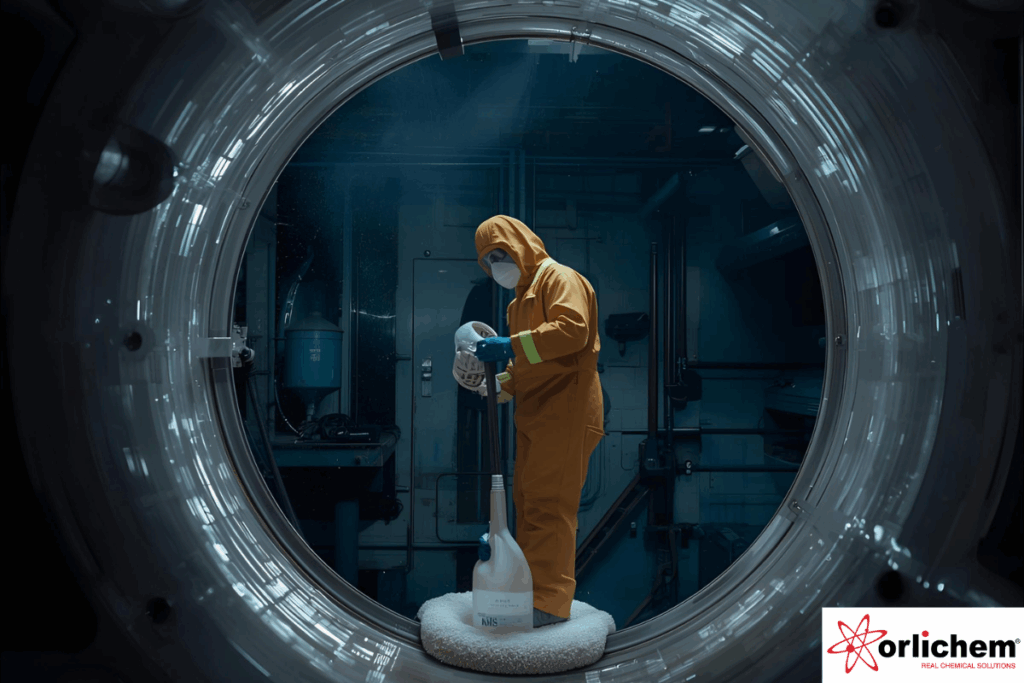
The difference between an average job and an excellent one is rarely a single trick; it’s a string of small, disciplined decisions.
Teams that excel treat how to clean a ballast tank step by step as living practice, not a laminated poster. They protect time for drying, revisit corners after rinsing, and keep eyes on the atmosphere readings even when “it looks fine”. Supervisors watch the weather: humidity shifts can turn a dry surface into a rust-bloom overnight.
Salt contamination testing before coating is non-negotiable; so is confirming the surface is clean and dry. Where mechanical prep is specified, the target surface profile and cleanliness grade are agreed upfront with coatings inspectors. Sign-offs are not paperwork—they’re the hinge between your work and the coating’s warranty.
Coatings performance is a system outcome. Cleaning, surface prep, inspection and painting must be scheduled as one workflow, with clear hand-over criteria and hold points. That’s why many yards run joint toolbox talks with cleaning crews, coatings applicators and QA/inspection teams before starting the day.
Ask any coatings inspector why ballast tank cleaning prevents corrosion and you’ll hear the same answer: salts and moisture drive corrosion; clean, dry, salt-free steel slows it down. Films of oil or bio-slime interfere with coating adhesion, and trapped chlorides keep pulling water through otherwise sound paint. Remove those drivers, and you give coatings a fair fight.
Every hour in dock carries a cost. But so does rework: pulling people back into tanks, delaying sailings, re-ordering paint and losing berth slots. The cheapest project is the one you do once. Crews that invest in preparation—ventilation, drying, re-rinsing, checks—bank that saving in avoided delays. In the current supply-chain climate, releasing vessels on time is a competitive advantage for yards and a reliability win for owners.
For practical context on marine cleaning and surface-prep topics, explore Orlichem’s Marine industry hub and the Rust & Scale Removal guidance. If you’re reviewing inhibitor options for hold stages between cleaning and coating, see Ballast Tank Inhibitor. These pages focus on process thinking, not product pushing.
What is the ballast tank cleaning process, in simple terms?
A safe, effective job follows three acts: make it safe (isolate, ventilate, test, permit); make it clean (degrease, rinse, descale, neutralise, dry); make it last (protect with an inhibitor and hand over to coatings). The sequence matters because each step sets up the next and reduces rework.
Which chemicals are typically used to clean ballast tanks?
Crews commonly use heavy-duty alkaline cleaners for oils and grime, followed by controlled acidic or chelating systems to dissolve rust and mineral scale. A corrosion-inhibiting step may be specified between cleaning and coating to limit flash rust. Choice depends on residues, method statements and port requirements.
Why is drying such a big deal after washing?
Moist steel plus residual salts equals flash rust and poor coating adhesion. Continuous ventilation and, where needed, dehumidification drive surfaces to a stable, dry condition before any inhibitor or coating step. Skipping or rushing drying is a leading cause of premature coating failure.
How do South African rules affect ballast tank cleaning?
Projects must meet SAMSA and TNPA requirements for permits, hot work and waste handling, and comply with OHSA and relevant SANS expectations for confined-space work, PPE and equipment. Practically, that means clear method statements, trained supervision, effluent control and evidence of checks and sign-offs.
What’s the best practice for salt contamination before coating?
Confirm the surface is clean, dry and salt-free to the agreed threshold before coatings begin. This check, along with visual cleanliness and profile requirements, should be agreed with inspectors in advance and recorded at the hand-over. It’s a low-cost step that prevents high-cost rework.
Do I always need a corrosion inhibitor after cleaning?
Not always—but it’s often prudent when schedules are tight, humidity is high or coating crews can’t mobilise immediately. The goal is to protect newly cleaned steel from flash rust until the specified coating system is applied under the right conditions.
Ballast tanks fail where preparation falters. South African yards and shipowners that treat cleaning as a controlled process—safe entry, targeted chemistry, meticulous drying, disciplined checks—see longer coating life, fewer surprises and faster, cleaner releases from port. If your next project would benefit from a second set of eyes on method statements, effluent plans or inhibitor choices, speak to Orlichem’s marine team via the Marine industry hub or review surface-prep context on Rust & Scale Removal and hold-stage options on Ballast Tank Inhibitor.


 Previous