June 17, 2025
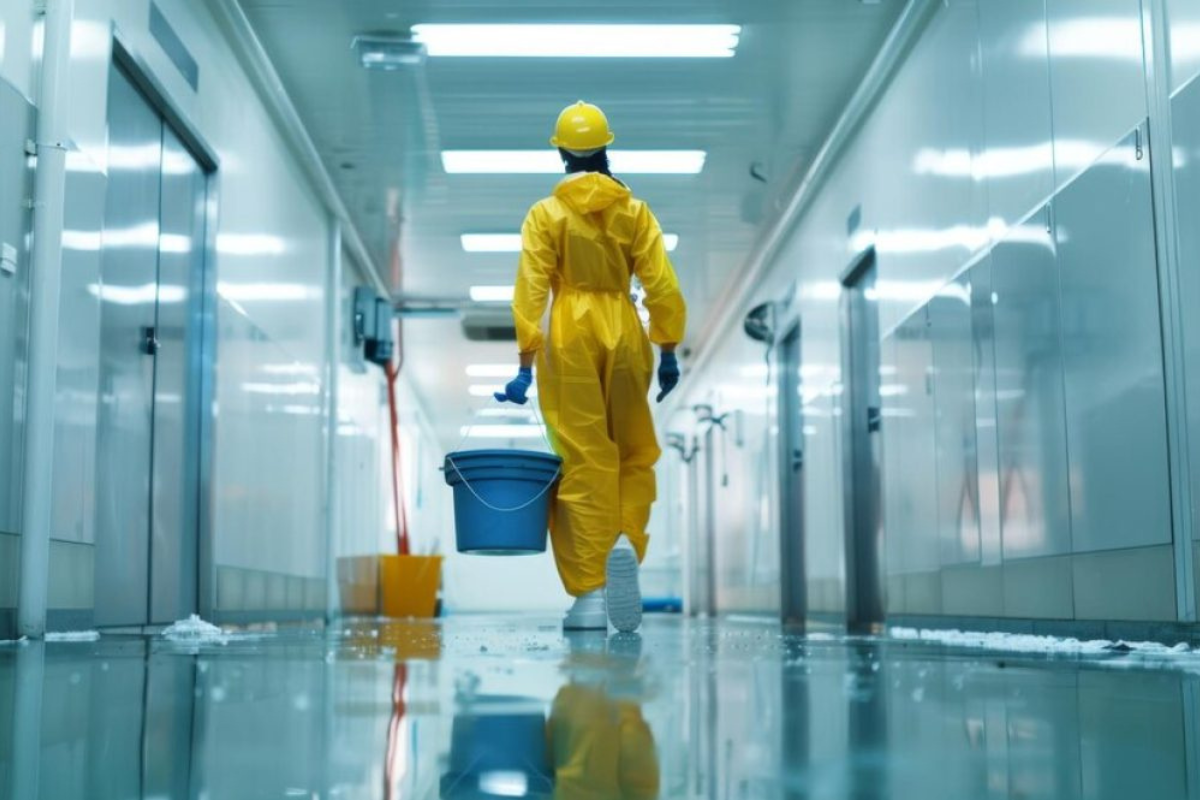
South African plants have spent the past few years optimising maintenance windows, negotiating volatile input costs, and rebuilding after supply-chain shocks. One variable keeps slipping through the cracks: the hours lost to slow surface preparation and drawn-out cleaning cycles. In a country where production schedules are already pressured by power interruptions and tight order books, knowing how to reduce downtime with fast-acting cleaners is no longer a housekeeping detail — it’s a lever for reliability, throughput and margin.
Fast-acting industrial degreasers and cleaners shorten dwell time, accelerate drying, and prepare parts for inspection, lubrication, painting or electrical work sooner. Across an annual maintenance budget, shaving even 10–20 minutes from hundreds of cleans adds up to shifts rescued, backlogs avoided, and overtime cut. That’s the heart of the maintenance reliability story: speed that respects safety, compliance and the realities of South African operations.
Downtime looks different on a Germiston machining line than in a Richards Bay fabrication yard, but the economics rhyme. Production halts to remove oil, grease, machining fluids, carbon films or road grime; teams wait for residue to lift; then wait again for surfaces to dry or flash off. Paint booths hold their breath for proper surface preparation. Electrical panels stay locked out while residues dissipate. The clock keeps ticking.
These are precisely the pain points SA plant engineers and production supervisors can address by switching to fast-acting industrial cleaners that reduce dwell time without compromising safety or compliance.
Surface preparation is the rate-limiting step for many coating processes. If your cleaning stage struggles to cut through oils in seconds rather than minutes, every downstream metric suffers — from first-pass yield to booth utilisation. Plants that adopt fast-release degreasers report more predictable takt times and fewer stop-start cycles in curing ovens. That predictability is money.
Explore engineering-focused cleaning strategies here: Engineering Industry Solutions.
In machining and assembly environments, rapid removal of oils, coolants and shop film allows maintenance teams to close tasks within a single shift. Faster flash-off reduces hand-over gaps and keeps TPM (Total Productive Maintenance) routines on-pattern. See related approaches under Degreasing for Engineering.
Control cabinets, connectors and sensors demand meticulous residue removal with appropriate products. In practice, the “fast-acting” win is less about brute strength and more about cleaning precision and controlled evaporation that shortens lock-out durations. For approaches tailored to controls, see Electrical Cleaners for Engineering.
Paint-stripping and residue removal are notorious schedule breakers. Where older chemistries require long soaks, modern options target rapid lift with less mechanical abrasion — improving operator ergonomics and line readiness. Read more at Paint Stripping & Residue Removers.
Speed cannot out-run the law. South African plants operate under the Occupational Health and Safety Act (OHSA) and relevant SANS standards governing chemical storage, labelling, handling, ventilation and PPE. On sites adjacent to ports or working on marine equipment, TNPA protocols and SAMSA rules add additional oversight for waste, spill response and transport. The message is simple: choose fast-acting chemistries that fit your risk assessments and are documented for South African conditions.
Aggressive cleaning can dull aluminium, haze plastics or lift paint unintentionally. The right approach starts with the substrate and contaminant, then pairs a fast-acting chemistry to the task. Material-compatibility testing and patch trials are non-negotiable when throughput is king — a few minutes testing saves hours in rework.
Shorter dwell times often come with quicker flash-off. That’s good for the schedule but places emphasis on extraction airflow, earthing, anti-static protocols and ignition-source control in line with OHSA and relevant SANS codes. Electrical cleaning adds its own constraints: ensure systems are de-energised, locked out, and that return-to-service checks confirm dielectric integrity.

A maintenance manager in Ekurhuleni is sick of blown schedules. Every Friday, the same bottleneck: parts waiting to dry before reassembly. She plots a week of time-stamped observations and highlights two patterns — extended dwell on heavy soils and unpredictable flash-off in the paint prep zone. She briefs the team: “We solve cleaning. We get our Fridays back.”
Procurement lines up fast-acting options. Engineering runs like-for-like trials at night to avoid production risk. The rules: standardised application volume, contact time limited to a few minutes, identical wiping media, measured dry-to-touch before inspection. Safety officers sign off ventilation and PPE; SHEQ logs disposal streams and SDS specifics. The winning product consistently clears soils in under two minutes and is dry shortly after — no haze, no residue.
Maintenance updates the task SOPs: specify product, application method (spray, brush, immersion, wipe), target dwell, acceptable wipe pressure, and a simple “white-glove” test for quality sign-off. OHSA and SANS references are embedded in the SOP footer; storage and decanting procedures are spelled out. Training covers two things most manuals miss: how to read soils and when to stop wiping.
By week three, planned downtime per task drops by double-digit minutes. The Friday backlog melts away. Overtime falls. Painters report fewer fisheyes. Electricians clear panel maintenance faster because residues don’t cling in the corners. Audit trails are cleaner; the insurance broker is happier. Nothing about the assets changed. The cleaning did.
Many SA fabricators and repairers service marine assets or move chemicals through port-adjacent logistics. TNPA site rules and SAMSA maritime safety requirements govern hazardous cargo handling, waste manifests, spill control and emergency drills. If your maintenance footprint includes shipyards, rigs or dockside repairs, align your cleaning chemistries and containers with those frameworks from the outset.
Keep SDSs, risk assessments, method statements and training registers on hand. When a customer audit or insurer asks for proof, producing a neat compliance chain turns a potential delay into a five-minute box tick.
Oils, cutting fluids, carbonised deposits and adhesive residues behave differently. Selecting a product proven to lift your dominant soils in minutes is the difference between “fast on paper” and fast in your plant.
Fast-acting products still need the right delivery: immersion for complex geometries, directed spray for targeted removal, lint-free wipes for precision. Keep the method consistent; you’re protecting your time savings.
The fastest chemistry in the world cannot fix vague process control. Set clear dwell targets (“60–120 seconds”) and verify with simple, repeatable checks. Align flash-off with extraction airflow so operators aren’t waiting for vapours to clear.
Surface preparation is only as good as the result it enables. Calibrate your clean for the next operation: adhesion for painting, low residue for electrical contact, or pristine metal for dimensional inspection.
A Johannesburg automotive sub-assembler cut paint-line stoppages when a fast-release degreaser removed oil mist in under two minutes. First-pass yield improved and rework dipped, unlocking an extra production hour each week without new equipment.
A Durban fabrication shop servicing marine clients harmonised shop-floor cleaning with dockside rules. Aligning with TNPA and SAMSA documentation smoothed inspections and stopped work disruptions related to chemical handling queries.
An East Rand controls team adopted a precise electrical-safe cleaning regimen with rapid residue removal, reducing panel lock-out time while maintaining strict OHSA/SANS compliance. Planned maintenance hit schedule for the first quarter in years.
Downtime is rarely one big villain. It’s many small drags — a sticky film that needs another wipe, a panel that takes five extra minutes to dry, a booth that waits for the solvent smell to fade. Fast-acting degreasers don’t replace skill, discipline or standards. They unlock them. And in South Africa’s competitive manufacturing landscape, that can be the difference between scraping through and scaling up.
How do fast-acting degreasers actually reduce downtime?
They shorten dwell time (the minutes needed to lift oils and soils) and speed drying, so technicians can inspect, lubricate, reassemble or paint sooner. Over hundreds of cleans, these minutes aggregate into fewer delays, steadier takt times and lower overtime.
Are fast-acting cleaners safe for electrical work?
Use only products intended for electrical applications and follow OHSA/SANS guidance for de-energising, ventilation and PPE. The advantage is precise residue removal and controlled evaporation that shortens lock-out periods without compromising safety protocols.
Will faster cleaning compromise paint adhesion or quality?
Not if you select the right product for the soil and substrate, control dwell time, and verify with a simple water-break or tape test. Plants often see better adhesion because consistent, rapid cleaning reduces variability on the line.
What compliance frameworks apply in South Africa?
OHSA sets duty of care for chemical handling and worker protection, with SANS standards guiding storage, labelling and ventilation. Facilities near ports or servicing marine assets should also align to TNPA site rules and SAMSA requirements for hazardous handling and waste.
How do I start evaluating a faster alternative?
Run controlled trials on your dominant soils. Standardise application volume, dwell time and wiping media; time dry-to-touch and inspect for residue. Document results, update SOPs and train teams before scaling plant-wide.
For SA manufacturers, how to reduce downtime with faster cleaning is not a footnote. It’s a frontline efficiency opportunity. Plants that adopt fast-acting industrial degreasers, codify dwell and drying windows, and align with OHSA/SANS (and TNPA/SAMSA where applicable) report steadier schedules, lower rework and more predictable maintenance windows.
Talk to Orlichem’s engineering team about options that fit your soils, substrates and compliance profile:
Explore: Engineering Industry Solutions • Degreasing for Engineering • Electrical Cleaners • Paint Stripping & Residue Removers


 Previous