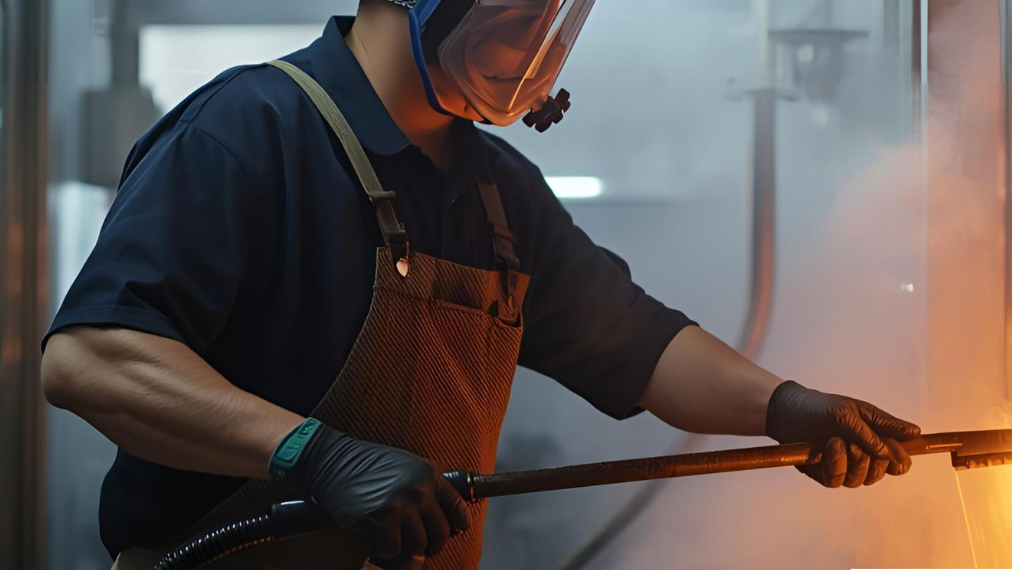
In South African industrial settings, high-temperature environments present unique challenges for cleaning and maintenance teams. With temperatures often exceeding 200°C in manufacturing facilities, refineries, and automotive plants, standard degreasers simply don’t make the cut. Recent industry surveys indicate that over 65% of South African industrial maintenance managers report significant difficulties when degreasing equipment that operates at elevated temperatures.
Selecting the right degreasing solution for high-temperature applications isn’t just about cleaning efficiency—it’s about equipment longevity, operational safety, and production continuity. The wrong chemical choice can lead to equipment damage, production delays, and even workplace hazards.
Whether you’re managing a manufacturing plant, automotive workshop, or industrial facility, understanding how to select appropriate degreasers for high-temperature environments is crucial for maintaining operational excellence. Continue reading to discover expert insights on choosing the right degreasing solutions that can withstand extreme heat while delivering superior cleaning performance.
Understanding High-Temperature Degreasing Challenges
High-temperature environments create unique obstacles for effective degreasing. In South African industrial settings, where ambient temperatures can already be challenging, equipment operating at elevated temperatures compounds these difficulties. Manufacturing processes, automotive operations, and industrial applications often involve machinery that generates significant heat, with surface temperatures reaching well above 100°C.
At these elevated temperatures, conventional degreasers face several limitations. Standard formulations may evaporate too quickly before completing their cleaning action, leaving residue behind. Others might break down chemically, reducing their effectiveness or producing potentially harmful byproducts. Some degreasers can even become flammable when exposed to high temperatures, creating serious safety hazards.
The nature of contaminants also changes with heat. Oils and greases become thinner and more mobile at high temperatures, potentially spreading contamination to other areas. However, as they cool, these substances can polymerize and harden, creating stubborn deposits that are increasingly difficult to remove with each thermal cycle.
South African industries face additional challenges due to our unique operating conditions. Mining operations in areas like Rustenburg and Witbank deal with equipment that endures both extreme heat and heavy contamination. Manufacturing facilities in industrial hubs such as Johannesburg and Durban must maintain precise cleaning standards while managing high-temperature processes.
Common Degreasing Challenges in High-Temperature Environments
Rapid Evaporation and Reduced Effectiveness
When standard degreasers are applied to hot surfaces, they often evaporate before they can effectively dissolve and lift contaminants. This rapid evaporation not only wastes product but leaves behind partially dissolved residues that can be even more difficult to remove than the original contamination.
In automotive manufacturing plants around Rosslyn and East London, production lines can’t afford the downtime associated with repeated cleaning attempts. Maintenance teams report that conventional degreasers may require 3-4 applications on hot equipment, compared to just one application when equipment is cooled—a luxury few production schedules can accommodate.
Safety Concerns and Chemical Stability
High temperatures dramatically alter the safety profile of many cleaning chemicals. Volatile organic compounds (VOCs) present in some degreasers can reach their flash point in high-temperature environments, creating fire hazards. Additionally, certain chemical formulations can break down when exposed to heat, potentially releasing harmful fumes.
A 2023 survey of South African industrial safety incidents revealed that 12% of chemical-related workplace accidents involved cleaning agents being used in conditions that exceeded their temperature specifications. This statistic underscores the importance of selecting degreasers specifically formulated for high-temperature applications.
Compatibility Issues with Equipment Materials
Heat accelerates chemical reactions, including potentially damaging ones between degreasers and equipment materials. Aggressive formulations that might be safe at room temperature can attack metals, plastics, and elastomers when temperatures rise.
In the petrochemical sector, particularly around Secunda and Sasolburg, maintenance engineers have documented cases where inappropriate degreasers caused accelerated corrosion of stainless steel components and deterioration of gaskets and seals when used on hot equipment. These compatibility issues led to equipment failures and costly repairs that could have been avoided with proper chemical selection.
Residue Formation and Recontamination
As degreasers evaporate quickly in high-temperature environments, they can leave behind dissolved contaminants rather than removing them. These residues often dry into hard films that attract new contamination, creating a cycle of increasingly difficult cleaning challenges.
Food processing facilities in Cape Town and Durban have reported particular difficulties with this issue, as residues can compromise food safety standards and require extensive additional cleaning before production can resume.
Selecting the Right Degreaser for High-Temperature Applications
Temperature-Resistant Formulations
When selecting degreasers for high-temperature environments, look for products specifically engineered with high flash points and low volatility. These formulations remain stable and effective even when applied to hot surfaces.
Orlichem’s Blixem Heavy-Duty Degreaser is specially formulated to maintain its cleaning power at temperatures up to 200°C. Its advanced chemistry ensures that the active ingredients remain in contact with the surface long enough to dissolve and lift even the most stubborn contaminants, without premature evaporation or breakdown.
Safety-Enhanced Options
Safety must be a primary consideration when selecting degreasers for high-temperature applications. Look for non-flammable formulations with high flash points that won’t create fire hazards even in extreme conditions.
Water-based degreasers often provide excellent safety profiles for high-temperature applications. Orlichem’s water-based degreasing solutions combine powerful cleaning action with inherent safety advantages, eliminating the risks associated with solvent-based alternatives while still delivering exceptional results in high-heat environments.
Material Compatibility Considerations
Before applying any degreaser in a high-temperature environment, verify its compatibility with all equipment materials. This is particularly important for components made from aluminum, copper alloys, and various elastomers, which can be more reactive at elevated temperatures.
Orlichem offers material compatibility guides for all our degreasing products, helping maintenance teams make informed decisions about which formulations are appropriate for specific equipment. Our technical support team can also provide customized recommendations based on your specific equipment materials and operating conditions.
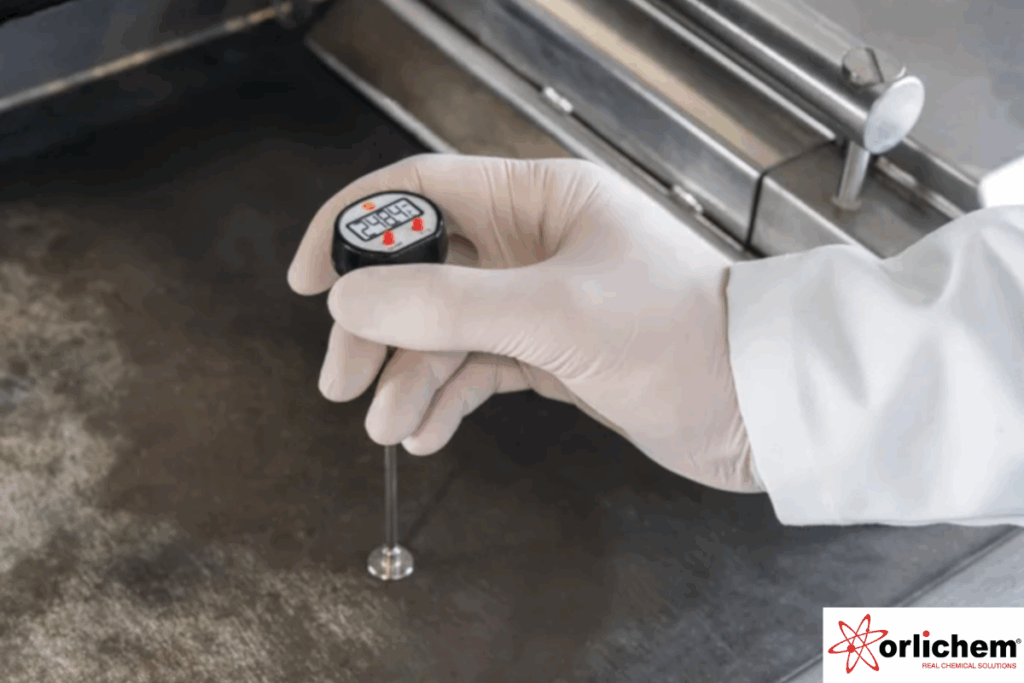
Application Methods for High-Temperature Degreasing
The application method can significantly impact degreaser effectiveness in high-temperature environments. Consider these approaches:
Orlichem’s Blixem Degreaser works effectively with all these application methods and can be adapted to your specific operational constraints. Our technical team can help develop application protocols tailored to your equipment and production schedule.
Expert Insights: Optimizing Degreasing in South African Industries
South African industries face unique challenges when it comes to high-temperature degreasing. Our technical experts have compiled these industry-specific insights:
Manufacturing Sector
In manufacturing facilities across Gauteng and KwaZulu-Natal, production equipment often operates continuously at elevated temperatures. Maintenance teams have found success using scheduled applications of high-temperature degreasers during brief production pauses, rather than waiting for complete cooldown.
“We’ve implemented a quick-clean protocol using Orlichem’s high-temperature degreaser during our 30-minute shift changeovers,” reports a maintenance manager at a major automotive components manufacturer in Port Elizabeth. “This approach has reduced our deep-cleaning requirements by 40% and extended the life of our precision equipment.”
Automotive Repair and Maintenance
For automotive workshops dealing with hot engines and components, safety and efficiency are paramount concerns. Technicians need degreasers that work quickly without creating hazards.
Orlichem’s water-based degreasers provide an ideal solution for these environments, offering powerful cleaning action without the flammability risks of traditional solvent-based products. Workshop owners report that these safer alternatives have improved workplace safety while maintaining the fast turnaround times their customers expect.
Industrial Equipment Maintenance
For companies maintaining heavy industrial equipment in mining and manufacturing, the combination of heat, heavy contamination, and limited downtime creates significant challenges.
Our industrial customers have achieved excellent results using Orlichem’s concentrated degreasers with adjustable dilution rates. This flexibility allows them to tailor the product’s strength to specific cleaning challenges while maintaining cost-effectiveness. The ability to adjust concentration based on temperature and contamination levels ensures optimal cleaning performance in varying conditions.
Conclusion: Maximizing Degreasing Effectiveness in High-Temperature Environments
Selecting the right degreaser for high-temperature applications requires careful consideration of multiple factors, including temperature resistance, safety profile, material compatibility, and application methods. By choosing products specifically formulated for elevated temperatures, South African industrial operations can achieve superior cleaning results while protecting equipment and ensuring workplace safety.
Orlichem’s range of high-temperature degreasers offers South African industries the advanced formulations needed to tackle even the most challenging cleaning tasks in extreme conditions. Our products combine powerful cleaning action with essential safety features and material compatibility, providing complete degreasing solutions for any industrial application.
Beyond product selection, optimizing your degreasing protocols for high-temperature environments can significantly improve outcomes. Consider implementing scheduled cleaning during cooler periods, adjusting application methods for hot surfaces, and training maintenance staff on high-temperature cleaning best practices.
If you’re ready to optimize your industrial cleaning processes with degreasing solutions specifically engineered for high-temperature environments, contact Orlichem today to schedule a consultation. Our technical experts can assess your specific challenges and recommend customized solutions that deliver superior results while protecting your valuable equipment.


 Previous