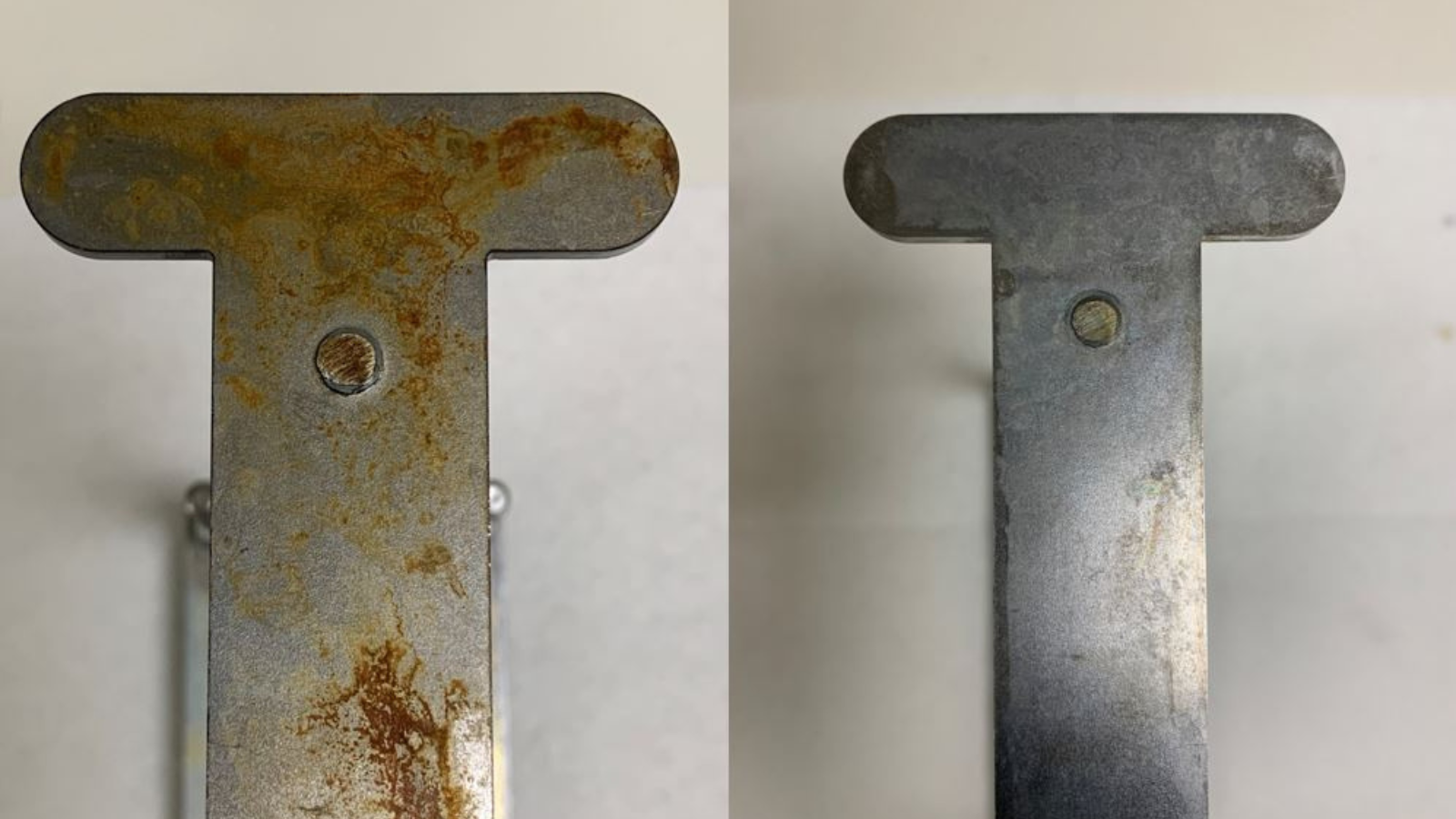
South African plants live with unforgiving realities: abrasive dust, sticky oils, power-supply interruptions, and production schedules that don’t budge. In this mix, “why pH matters in metal cleaning” is not chemistry trivia; it’s the practical difference between preserving assets and inviting premature failure. Get pH wrong and you risk flash rust, etched aluminium, stripped passivation on stainless, seized fasteners, and warranty disputes. Get it right and you lift maintenance reliability, cut rework, and keep OEE on track.
Plant teams are under pressure from SHEQ audits, OEM specifications, and customer quality demands. Compliance expectations—from OHSA to SANS—do not only ask that you clean; they ask that you clean safely, consistently, and with control. pH balance is the control lever.
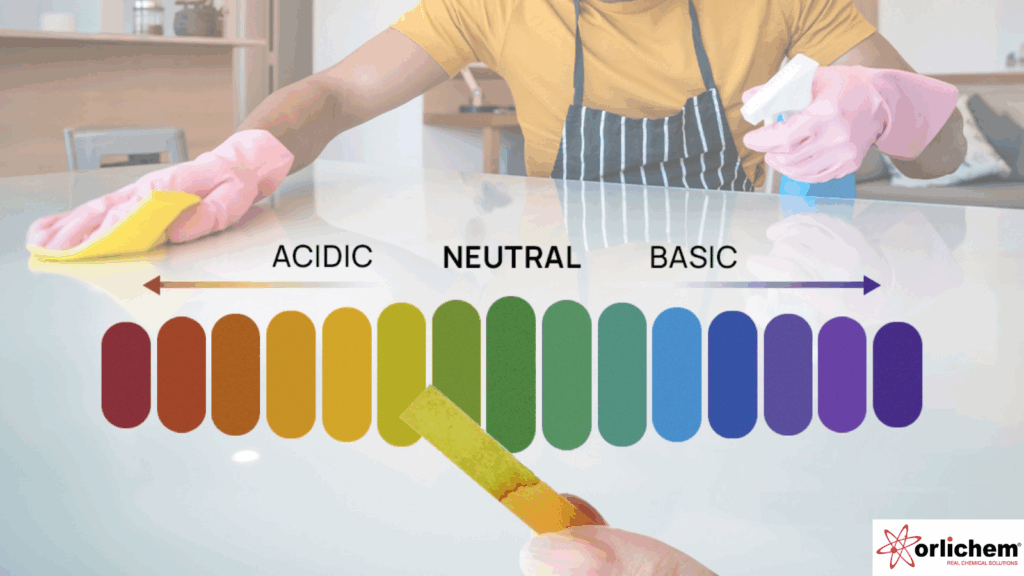
pH tells us how acidic or alkaline a solution is. Low pH (acidic) tends to dissolve oxides and scale; high pH (alkaline) breaks down oils and greases. In between—near neutral—you often find “safer for substrates” territory, especially for mixed-metal assemblies.
The takeaway: pH is not only about cleaning power; it’s about compatibility with your substrate and coatings.
The maintenance team at a Gauteng components plant faced a familiar crunch: weekend window, gearboxes due for inspection, and oil-film everywhere. Friday evening’s test showed the usual temptation—“turn up the caustic, go faster.” Instead, the team leader pulled the brake. They switched to a controlled alkalinity approach, checked pH on-tool, and adjusted dwell time rather than strength. Wipe tests indicated soils lifting without the rainbow sheen that signals emulsified residue.
Rinse was the real test. They used a conductivity meter to confirm fresh rinse water and spot-checked pH at the drain, keeping it close to neutral. A final passivation step on stainless guards locked in corrosion resistance. On Monday, QA reported no flash rust, and production hit start-up targets without rework. Same crew, same shift, different control: pH.
For mixed?metal maintenance areas and sensitive assemblies, pH-balanced solutions can be a pragmatic choice—especially where a pH-balanced cleaner is specified for substrate protection and operator safety. The point is not “mild” for its own sake; it’s control, consistency, and compliance.
An engineering contractor arrives with two questions: “What metal am I touching?” and “What’s on it?” If it’s aluminium housings with cutting fluids, a moderate-pH, surfactant-rich cleaner is safer. For scale on carbon-steel heat-exchangers, an acidic phase—tightly timed and rinsed—may be warranted. The contractor knows the third question too: “What tolerance does the downstream process have for residue?” Paint and bonding hate alkaline film; bearings hate acidic traces. The pH you choose must leave the part clean and neutral.
The crew stages parts near a properly functioning rinse bay. They manage dwell time like a dimension: minutes matter. The first operator logs pH on make-up and midway through the shift, because soils, water hardness and top-ups cause pH drift. When rinse pH creeps, they refresh water. When conductivity spikes, they swap baths. Control lives in the margins.
Between cleaning and inspection, they neutralise where needed (especially after acidic steps) and confirm pH near the surface. They also protect bare carbon steel with a water-displacing, neutral pH final step or a brief passivation on stainless. These “little” actions prevent overnight surprises.
Operators treat acids and alkalis with respect: correct PPE, measured dilution, and clearly labelled containers. This isn’t a paperwork ritual; it’s how you protect people and prove compliance. Training drills emphasise what to do when pH spikes in sumps or spills reach floor drains.
For deeper category context, plant teams often consult Engineering Industry guidance before tendering or scheduling shutdown work.
The common thread is auditable control. When an auditor asks, “How do you ensure your cleaners don’t cause corrosion or off-spec effluent?” a logged pH programme is not a nice-to-have; it is your compliance backbone.
The cost of wrong-pH cleaning rarely appears as “chemicals” on your ledger. It hides in:
Reliability leaders treat pH as a critical control parameter. They standardise pH windows by metal and soil, validate on real parts, and capture deviation responses in the permit-to-work pack. Over time, that discipline pays back through fewer surprises and smoother hand-offs between maintenance and production.
A mildly to strongly alkaline cleaner is effective, but use inhibitors and tight dwell control. Finish with a thorough rinse and a neutral pH water-displacing step to block flash rust.
Favour near-neutral to mildly alkaline, pH-balanced chemistries with good surfactancy. Avoid long exposures. Rinse to neutral and dry quickly; watch for staining if pH wanders.
Keep away from extremes that can undercut passivation. Validate final surface pH before paint booths; a neutral, residue-free surface protects adhesion and corrosion performance.
Use acidic cleaning judiciously, in short cycles, with immediate neutralisation and rinse. Confirm that downstream effluent stays within site pH limits and that passivation or protective steps follow.
For sensitive mixed-metal work, a pH-balanced approach can reduce rework and training burden—again, anchored in testing and logs, not assumptions.
Write the SOP in the language of the workshop: metal, soil, pH range, dwell, rinse, neutralise, verify, document. Put an at-a-glance table near the bay that matches common metals to approved pH windows and cleaners. Back it with SDSs and a simple “if pH drifts” response.
A rugged handheld pH meter, periodic buffer checks, and a conductivity pen prevent 80% of surprises. Add a visible log sheet or digital form that production can read without chemistry lessons.
Insist on compatibility data by substrate, realistic dilution guidance, and effluent notes that match your permits. Ask for case-based support rather than generic claims, and pilot on live parts before you roll out.
What is pH balance in cleaning chemicals and why does it matter?
pH balance refers to how acidic or alkaline a cleaner is. In metal cleaning, pH dictates both soil removal power and the risk of corrosion or etching. Matching pH to your substrate and soil, and rinsing back to neutral, reduces rework, improves reliability, and supports SANS-aligned compliance.
How does pH affect corrosion and flash rust on steel?
High-alkaline cleaners can trigger flash rust if residues remain or rinsing is poor; strong acids can thin base metal if exposure runs long. Tight dwell control, inhibitors where appropriate, and verified neutral rinse water help steel exit the process clean and protected—ready for service or paint.
Is a pH-balanced cleaner worth it for mixed-metal assemblies?
Often, yes. For work that touches aluminium, stainless and coated parts in one stream, near-neutral, pH-balanced products reduce the risk of etch or passivation loss while still removing light oils. The key is proving performance on real soils and verifying surface pH before the part moves on.
How do we handle acids and alkalis safely under OHSA and SANS?
Train operators, label containers clearly, dilute as directed, and wear appropriate PPE. Keep SDSs accessible, log pH checks, manage spills to protect drains, and confirm effluent near neutral before discharge. These practices align with OHSA duty-of-care and SANS chemical-handling expectations.
How can we stop alkaline residue from ruining paint adhesion?
Control concentration and dwell, maintain clean rinse tanks, and verify surface pH returns to neutral before paint. Where risk is high, add a neutralising step and a quick dryness check. This protects adhesion, reduces rework, and keeps production on schedule.
South African engineering plants don’t have time for preventable rework. pH is the quiet variable that protects metals, unlocks reliable cleaning, and keeps audits calm. Treat it as a control point—select by metal and soil, verify on the floor, document for compliance—and you’ll see the results where it counts: uptime, quality, and asset life.
Explore engineering-specific guidance here: Engineering Industry. For sensitive substrates or mixed-metal workflows, consider a pH-balanced cleaner as part of a tested, documented process.


 Previous