In factories from Vereeniging to Durban, and in hotel laundries from Sandton to the Winelands, degreasing is rarely “just a quick clean.” It’s a production dependency. The wrong product can turn a one-hour service break into a half-day shutdown, corrode a sensitive surface, or land a facility on the wrong side of OHSA and SANS compliance. Knowing when to use water-based vs solvent-based degreasers isn’t academic—it’s a decision that affects downtime, safety, and the balance sheet.
Harsher operating realities amplify the stakes. Dusty environments in mining-adjacent industrial zones, load-shedding interruptions that compress maintenance windows, and lean teams in hospitality all make first-time-right cleaning essential. The difference between water and solvent degreasers—and how to decide between them—should be part of every engineer’s and housekeeping supervisor’s toolkit.
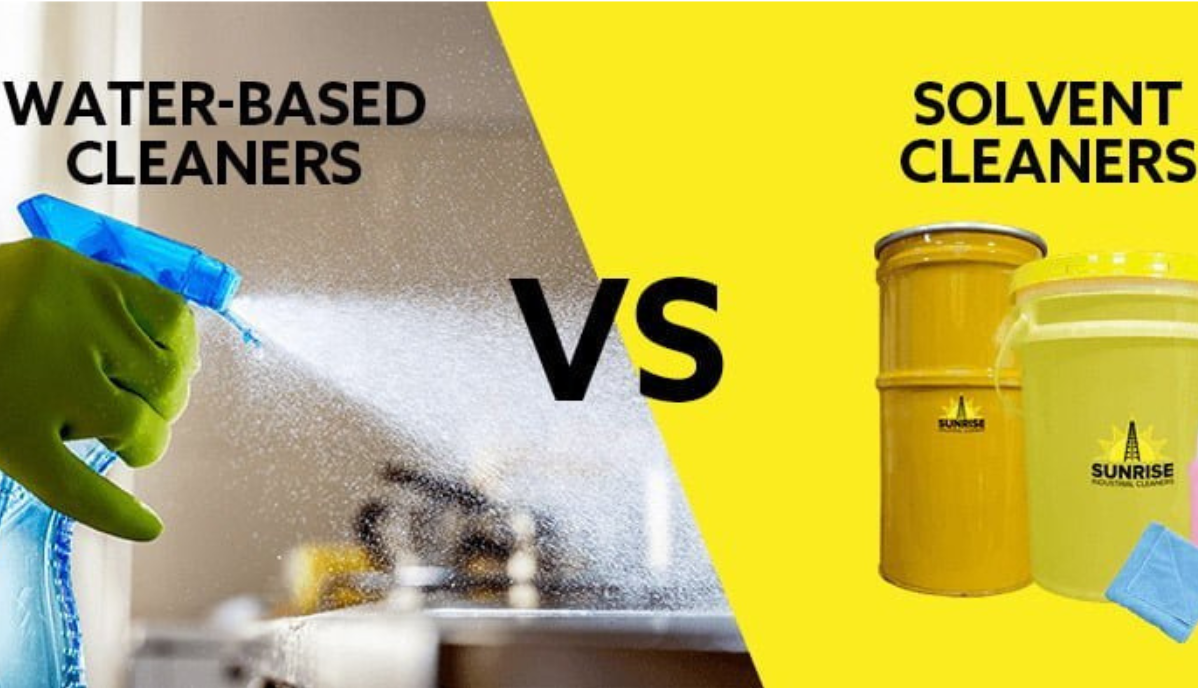
At its simplest, water-based degreasers suspend and lift soils using water as the carrier, aided by surfactants, builders, and sometimes alkalinity. Solvent-based degreasers dissolve oils and heavy hydrocarbons using organic solvents as the primary cleaning phase.
Water-based products shine on inorganic soils mixed with light to moderate oils: shop floors, equipment housings, conveyor guards, and food-contact adjacencies where rinseability and low odour matter. They are typically easier to integrate into CIP (clean-in-place) workflows, and their rinse behaviour pairs well with acid clean and sterilisation or caustic cleaning cycles in food and beverage. (Explore Orlichem’s CIP pages: CIP overview, acid clean & sterilisation, caustic cleaning.)
Solvent systems cut through baked-on greases, machining oils, tar, adhesives, and carbonised residues—especially where water contact is undesirable (e.g., energized electrical components once isolated and cooled, pre-paint metal prep with tight turnarounds, or moisture-sensitive parts). They flash off quickly, reducing dry time, and they often require less mechanical agitation on stubborn hydrocarbon soils.
Plant managers often ask, “How do I decide between water-based and solvent-based cleaning?” The answer is a story of four S’s: Surface, Soil, Safety, and System.
Not all substrates appreciate water. Bare steel can flash-rust without proper inhibitors; soft metals (aluminium, copper) can react to high-alkaline water-based chemistries; certain plastics swell under aggressive solvents. Stainless process lines in dairy appreciate alkaline water-based degreasers that rinse clean and fit CIP. Automotive electronics need non-conductive solvent-cleaning (post-isolation) to avoid moisture entrapment. Why surface type determines degreaser choice should be step one in your assessment.
Grease and oil are different from protein and mineral films. Water-based products, with the right surfactants and builders, are excellent on mixed soils that need emulsification and suspension. Solvent products dissolve heavy hydrocarbons, cutting through layers that water struggles to wet. On a body shop’s tar overspray, a solvent approach is often faster; on a bakery conveyor with flour-oil mix, water-based is usually more efficient—and safer for downstream sanitation.
South African regulations—OHSA, relevant SANS standards, and sector norms—favour solutions that reduce operator exposure, flammability risk, and VOC load without compromising efficacy. Water-based systems typically present lower flash risks and odour, aiding indoor use in hotels and hospitals. Solvents may require stricter ventilation, PPE, and storage controls. In marine or port-adjacent facilities, SAMSA and TNPA requirements around handling, spill response, and waste segregation influence product choice and disposal planning.
What happens after application? Water-based degreasers want water for rinsing—and a place in your effluent strategy. If you operate separators or have discharge limits, water-based may align more easily with existing wastewater treatment. Solvent systems reduce rinse water but add waste-stream obligations for spent solvent pads or parts-washer media. They can be a boon in low-water or tight-time scenarios, provided your ventilation, ignition control, and waste management are on point.
On a Wednesday night in Midrand, a hotel engineering team faces a familiar problem: the kitchen’s extractor canopy is caked after a peak trading month. Housekeeping has ten minutes to hand over the back-of-house before breakfast prep. The supervisor chooses a water-based, high-alkaline degreaser with food-area compatibility for the stainless canopy and duct baffles. It wets fast, lifts soils with gentle scrubbing, and—critically—rinses clear so the hygiene team can move straight into sterilisation. Best practices for safe chemical cleaning cue in: labelled spray bottles, goggles, gloves, cold surfaces, and a clean rinse.
Across town, an automotive plant’s maintenance crew isolates a bank of servo drives. The problem is carbonised oil on heatsinks and housings. Water can linger, so they opt for a fast-evaporating solvent degreaser with high dielectric strength (applied only after power is off and cooled). The product dissolves the carbonised film, flashes quickly, and avoids trapped moisture. Here, the solvent route keeps downtime low and reduces risk of corrosion in tight crevices.
The step-by-step guide to degreaser selection isn’t a laminated card; it’s a conversation:
This human-centred approach ensures how to decide between water-based and solvent-based cleaning is always rooted in context.
Using a water-based cleaner on a baked-on, polymerised oil can burn an hour of scrubbing and still require a second pass with solvent. Conversely, reaching for a harsh solvent on a painted surface risks finish damage—triggering repaint costs and asset downtime.
Solvents can be flammable and demand tight controls; water-based products can create slip risks if not managed, and their effluent must meet discharge limits. Either way, best practices for safe chemical cleaning—from decanting to labelling, PPE to ventilation—protect the team and the business.
Aggressive alkalinity can etch aluminium; certain solvents can craze plastics. The cheapest choice at purchase can be the most expensive choice in service.
South Africa’s Occupational Health and Safety Act (OHSA) sets the baseline for safe chemical handling, training, and PPE. Relevant SANS standards provide guidance on labelling, storage, and effluent management. Hospitality and healthcare settings overlay hygiene codes that prioritise low-odour, residue-free cleaning in guest-adjacent spaces. In marine and port operations, SAMSA (South African Maritime Safety Authority) and TNPA (Transnet National Ports Authority) requirements affect chemical transport, spill response, and hazardous waste.
Facilities that document product selection—why a given degreaser was used on a given task—create an audit trail that stands up to incident review and supplier scrutiny. The message is simple: align chemistry with policy.
Engineering leaders talk about TAKT times for cleaning just as seriously as for production. Solvent-based degreasers often deliver the fastest visible results on pure hydrocarbon soils. Water-based systems enable systematised cleaning: foam application, controlled dwell, mechanical assist, then rinse—ideal for repeatable SOPs and training new staff.
Neither camp “wins” overall. The right call is the fastest safe method for that surface and soil, in that environment, with those compliance obligations.
Smart facilities maintain a tiered portfolio:
Link your product choices to SOPs and training. Keep SDS files accessible. And work with suppliers who can help you refine dosage, dwell times, and mechanical action to minimise total cost of clean.
For guidance, start with Orlichem’s resources: orlichem.co.za, the About Us page for manufacturing capabilities, and the CIP cluster for process-line hygiene (overview, acid clean & sterilisation, caustic cleaning).
Each example underscores a truth: chemistry selection is process engineering by another name.
What is the difference between water and solvent degreasers?
Water-based degreasers use water as the carrier and rely on surfactants and builders to lift soils for rinsing. Solvent-based degreasers dissolve heavy hydrocarbons directly and often evaporate quickly. The best choice depends on the surface, soil type, safety constraints, and your downstream rinsing or waste process.
How do I decide between water-based and solvent-based cleaning?
Start with the substrate and soil. Moisture-sensitive components and heavy hydrocarbon soils often favour solvents; mixed soils on stainless, floors, and housings typically suit water-based options. Then weigh safety, ventilation, odour tolerance, rinse capacity, and compliance obligations (OHSA/SANS) before you pick.
Are water-based degreasers always safer?
They typically have lower flammability and odour, which is an advantage indoors and in hospitality. But “safer” still requires training, PPE, correct dilution, and slip-risk control. Effluent must meet discharge limits. The safest product is the one used correctly for the job—documented and supervised.
Do solvent-based degreasers damage surfaces?
They can, if mismatched. Certain plastics and paints are vulnerable to aggressive solvents. Always test on an inconspicuous area, consult SDS guidance, and consider plastic-safe formulations when needed. Balance speed with substrate protection to avoid rework and asset damage.
Can I use both in one workflow?
Yes—many teams use a solvent pre-break on thick residues, followed by a water-based wash to remove films and make rinsing efficient. Plan isolation, ventilation, and waste handling accordingly, and ensure compatibility with your SOPs and environmental controls.
Choosing between water-based and solvent-based degreasers is less about brand loyalty and more about operational intelligence. Surface, soil, safety, and system thinking turns cleaning from a cost centre into a reliability lever. Document your choices, train your teams, and keep both chemistries in your toolkit—each has a job to do.
Talk to Orlichem about tailoring water-based and solvent strategies for your plant or property portfolio. Explore our process-cleaning guidance via the CIP hub and speak to a specialist about audits, SOPs, and training. Start here: orlichem.co.za.


 Previous