September 17, 2025
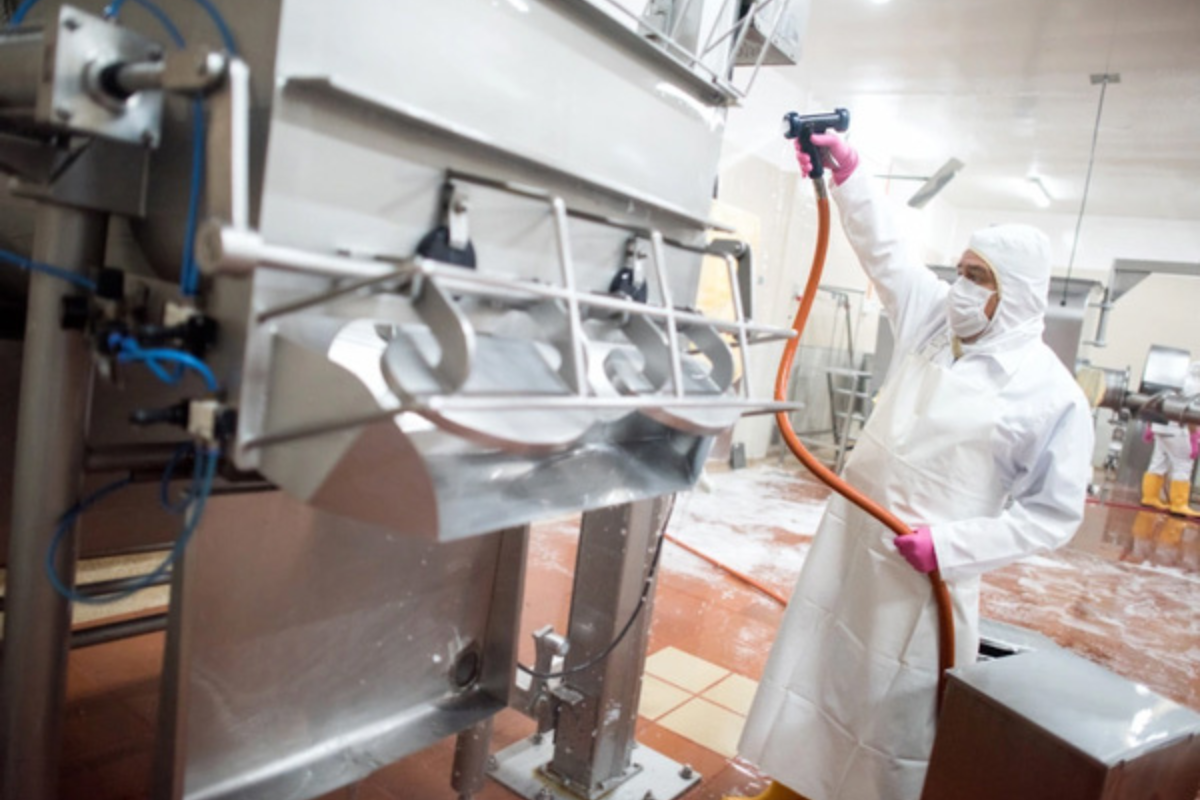
Walk through any South African workshop—mining support in Rustenburg, food-grade fabrication in Montagu Gardens, a gearbox rebuild shed in Germiston—and you’ll find the same stubborn reality: oil, grease and machining residues cling to components long after the shift ends. Degreasing keeps production moving and quality repeatable. But how you degrease affects more than a shine on steel. It shapes water use, waste volumes, worker safety, permit risk, and ultimately cost per unit.
“What is sustainable industrial degreasing” isn’t just a lab phrase. It’s the day-to-day discipline of removing contaminants with the lowest practical impact on people and the environment—while preserving throughput, asset life and margin. Put differently: cleaning that still hits spec, but with fewer emissions, safer chemistry, tighter containment, and smarter reuse.
South African operators don’t have the luxury of ignoring this. Municipal water constraints, rising disposal tariffs, carbon-linked procurement standards from OEM customers, and tightening enforcement under OHSA and SANS frameworks mean the old, solvent-heavy approach carries growing risk. The pay-off for changing course? Lower total cost of clean, fewer stoppages, less paperwork pain, and a better story for audits and tenders.
Most degreasing impact is invisible to the naked eye. The product that flashes off a part isn’t gone; it’s in the air you breathe, the sump you empty, or the effluent you truck. The footprint shows up in:
Sustainable degreasing doesn’t mean “we never use solvents” or “everything is water-based.” It means selecting the least-impact approach that still achieves technical cleanliness (paint adhesion, weld quality, electrical reliability), then containing, re-using and disposing with discipline.
In engineering, uptime and repeatability pay the salaries. Grease under a gasket face, flux residues on a PCB, or a film on a pre-paint surface translate to rework and callbacks. That’s why maintenance managers often tolerate harsh products: they “work fast.” The catch is the tail: fume control systems, specialist PPE, higher fire risk, shortened bath life, and expensive liquid-waste hauls. Plants that pivot to eco-conscious methods typically report:
The net effect is not just greener—it’s steadier operations.
An electrical motor refurbisher in Ekurhuleni used fast-evaporating solvent sprays for coil ends and housings, backed by manual wipe-downs. Turnaround was quick, but so were can counts. Extractor fans ran constantly, and spent wipes filled drums every week. Monthly invoices for hazardous waste rose in step with output.
The team mapped where soil loads were highest and created a two-stage approach: a controlled parts-washer with a low-VOC, eco-conscious degreaser for bulk contamination, then a targeted electrical cleaner for final prep—keeping sensitive windings dry and residue-free. Filtration and oil-skimming extended bath life. Spray usage dropped to specific precision jobs only.
Same motor reliability, fewer cans, less odour in the bay, and documented savings on waste removal. Cleaning time per unit levelled out because operators spent less time re-wiping. The safety officer finally had defensible records for audits.
Looking to map your own line? Start with an engineering-fit set of product families and applications here:
• Engineering overview ? orlichem.co.za/industries/engineering
• Degreasing solutions ? orlichem.co.za/industries/engineering/degreasing
• Electrical cleaners (precision, no-residue) ? orlichem.co.za/industries/engineering/electrical-cleaners
This is the heart of what is sustainable degreasing. It’s not ideology; it’s fit-for-purpose selection. For heavy mineral oils on castings, an alkaline, water-based formulation at the right temperature may outperform a solvent wipe, especially when combined with agitation. For contactors or PCB work, a fast-evaporating electrical cleaner with controlled flammability and no residue protects equipment and schedules. “Greener” means fewer emissions and lower hazard class where technically feasible.
Using less is usually greener than swapping chemistry alone. Dial in dilution and dwell time. Fit lid seals on washers. Add oil skimmers. Install stage filtration (coarse ? fine). Keep soil out of “clean” zones.
Segregate streams: oily water vs. high-pH CIP, solvent-containing wipes vs. general waste. Capture spent fluids in clearly labelled containers. Work with licensed transporters and treatment facilities. Sustainable systems are more about containment and control than slogans.
Ventilation where needed, gloves that match the chemistry, and easy-to-read SOPs. Document the changeover: product SDSs, waste manifests, and before/after metrics. When procurement or a client auditor asks “why this product?”, you’ll have the answer.
For facilities with frequent hand-tool cleaning, don’t forget hand hygiene and skin protection—the quiet sustainability lever. Good hand-care reduces dermatitis incidents and keeps teams on the job:
Hygiene & hand care ? orlichem.co.za/industries/engineering/hygiene-hand-care-and-sanitisers

South African regulations don’t prescribe a single way to degrease; they require you to manage risk. OHSA places the duty on employers to control chemical exposure. Relevant SANS standards guide storage, labelling and handling of hazardous substances and flammables. If your cleaning supports equipment destined for ports or marine, TNPA conditions may influence on-site waste storage and movement. Where degreasing overlaps with marine or ship-repair activities, SAMSA requirements for environmental protection and spill response come into play.
The practical takeaway: classify your chemicals correctly, keep SDSs on hand, ventilate or enclose where vapours can accumulate, and track waste from cradle to grave with licensed handlers. Your cleaning room should be as audit-ready as your pressure vessel logbook.
Surface prep is where sustainability and productivity lock together. A thin, invisible film can doom paint adhesion on housings, skids or fabricated frames. Plants will sometimes “over-solve” adhesion issues with hotter, harsher products, raising VOCs and waste volumes—when the real fix is process control: adequate rinse, fresh water management, and ensuring the degreaser itself is compatible with downstream coatings.
If you’re stripping or re-coating, consider whether residues from your remover will upset new primers. Align your chemistry choices with finishing systems:
Paint stripping & residue removal ? orlichem.co.za/industries/engineering/paint-stripping-and-residue-removers
“Before first tea, I walked the line with a bucket scale and a log sheet. We weighed incoming wipes, counted spray cans, and marked drain times. The waste tally shocked us more than the electricity bill.”
“We tightened lids and set a ‘no over-spray’ rule. Fitted a cheap coalescer on the parts-washer. Two weeks in, our bath lasted longer. We weren’t greener yet—we were just less sloppy.”
“For the worst offenders, we tested a water-based degreaser at 50–60 °C on the big parts and kept a precision electrical cleaner for the coils. Same result, less smell. Operators stopped “double-cleaning” out of habit.”
“Simple SOPs, laminated, next to every station. Pictures beat paragraphs. Training was 20 minutes on a Friday.”
“Monthly checks: product use per unit, waste drums per month, and a five-minute safety chat. We now defend our choices with numbers, not opinions.”
That’s sustainable degreasing in the real world: reduce, substitute, contain, prove.
When your KPIs improve, your audit posture usually improves too.
Every plant’s soil load is different, but most engineering operations need three families:
Map those families to stations and standards, then lock in training and waste controls. Explore engineering-fit options here:
What is sustainable degreasing in an engineering context?
Sustainable degreasing removes oils and contaminants to the required technical standard while minimising VOC emissions, water and energy use, and hazardous waste. It blends appropriate chemistry selection with process control—containment, filtration, segregation—and clear operator procedures to reduce total impact.
Does switching to water-based products always solve the problem?
Not always. Water-based options can excel on many soils but may require heat, agitation or longer dwell. Sensitive components may still need precision electrical cleaners. The sustainable answer is “least-impact that meets spec,” often a mix of methods with better containment and reuse.
How do we start reducing cleaning waste without disrupting production?
Begin with measurement: product used per unit, bath life and waste volumes. Fix easy losses first—sealed lids, correct dilution, filtration—then trial substitutions on one station. Document results and scale. Most plants see improvements without changing their entire line.
Which South African regulations apply to degreasing operations?
Under OHSA, employers must control chemical exposure; relevant SANS standards guide storage, labelling and handling. Where activities interface with ports or marine environments, TNPA and SAMSA requirements may apply. Keep SDSs, training records and waste manifests audit-ready.
Will greener cleaning slow our line down?
Not if you engineer it. Plants often maintain or improve takt time by reducing rework and double-cleaning. Longer bath life and less fume management can offset slight increases in dwell time. The key is matching products to soils and locking in simple SOPs.
South African engineering firms don’t have to choose between spotless components and responsible operations. Sustainable industrial degreasing is the practical middle ground: right chemistry for the job, less waste, tighter controls, and records that stand up to scrutiny. It’s cleaner steel today and fewer headaches tomorrow.
Talk to Orlichem’s engineering team about mapping a lower-impact cleaning plan across degreasing, electrical cleaning, and finishing prep. Start here: Engineering, Degreasing, Electrical Cleaners.


 Previous