August 04, 2025
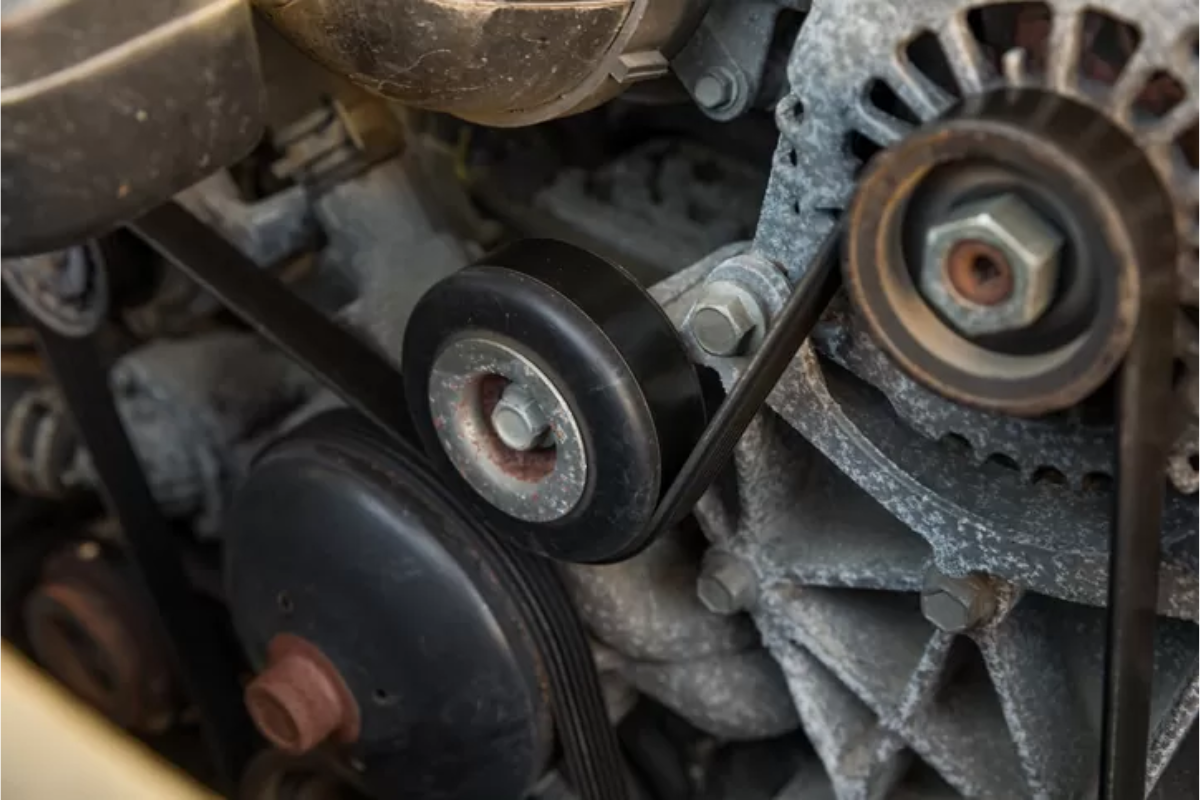
South Africa’s automotive and engineering sectors run on electrics as much as on steel. In a typical Gauteng workshop or coastal assembly plant, electrical systems carry the quiet burden of continuity—ECUs, relay banks, sensor harnesses, VFD cabinets, battery-electric forklifts, diagnostic rigs, and test benches. Dust, oil mist, road grime, cutting fluids, and coastal humidity creep into contact points and panels. Left unchecked, that grime becomes resistance, resistance becomes heat, and heat becomes downtime.
Plant engineers know the arithmetic: a single hour lost on a high-throughput line can erase the week’s efficiency gains. Field teams learn it the hard way—an intermittent fault that only shows at 2am when the compressor trips and the panel refuses to reset. Cleaning electrics in vehicles and on plant is therefore not a housekeeping nice-to-have; it is industrial electrical maintenance best practice that keeps warranties intact, schedules honest, and safety officers calm.
Downtime has a hard number; safety breaches have a legal one. Under the Occupational Health and Safety Act (OHSA) and relevant SANS codes (notably SANS 10142 for wiring and related practice), employers must ensure electrical installations are safe to operate and maintain. Poor cleaning, or the wrong chemical used on live equipment, quickly shifts liability from “bad luck” to “negligence”.
For large fleets moving between provinces and ports, compliance doesn’t stop at the plant gate. While maritime rules (SAMSA) and port authority guidelines (TNPA) are usually discussed for vessel and terminal electrics, they’ve shaped a strong national culture of risk control around electricity, solvents and flammables—spirit that extends to automotive workshops servicing port-linked logistics fleets.
Treat cleaning like maintenance diagnostics. What’s the contaminant mix? Oil-rich air suggests degreasing vapours will be common; desert dust means dry particulates; coastal plants face salt and condensation cycles. Map airflow, filtration, and nearby processes that aerosolise oils or coolants. This prevents cleaning from becoming a Sisyphean task.
Resource: Engineering process context and solutions framing are covered in Orlichem’s engineering hub:
Engineering Industry Overview
What solvents are safe for electrical cleaning? The safest choices for electrics are typically non-conductive, fast-evaporating, non-residue formulations compatible with common engineering plastics (ABS, PC, PA) and elastomers. In vehicles and control panels, avoid strong, plastic-aggressive solvents that craze housings or embrittle insulation.
Resource: For solution categories and safe-use framing, see:
Electrical Cleaners (Engineering)
Cleaning technique influences failure rates as much as chemistry.
Cleaning without prevention is charity for future faults.
Resource: Where oil-rich atmospheres demand pre-cleaning of surrounding equipment, pair electrical cleaning with appropriate degreasing upstream:
Degreasing (Engineering)

A Johannesburg fleet operator reported intermittent no-starts on high-mileage bakkies. Battery swaps didn’t stick. A structured clean revealed a film of conductive grime bridging moisture at the fuse/relay box after repeated engine-bay “wash-downs” with aggressive detergents. Once the film and moisture were removed using a fast-evaporating, non-residue electrical cleaner—and the box resealed—the no-starts vanished. Root cause? Solvent overspray and harsh detergent residues from general cleaning, not the electrics themselves.
In a machining hall, an MCC compartment feeding a VFD began tripping late afternoons. Thermal maps hinted at hot spots near dust-caked heat sinks. The fix combined dry cleaning, targeted solvent application on terminal strips, and upgrading filtration on panel fans. Trips fell to zero. The lesson: clean heat paths are electrical reliability in disguise.
At a coastal assembly site, terminal blocks in auxiliary panels showed creeping corrosion. A quarterly cleaning programme with plastic-safe, moisture-displacing cleaners, followed by correct re-lubrication and disposable desiccant packs, stretched mean time between interventions and aligned the site with internal audit targets for corrosion control.
While maritime authorities (SAMSA) and port rules (TNPA) directly govern marine and terminal operations, their influence on safe electrical work and solvent management has spilled over into many SA industrial SOPs. Workshops supporting port-linked fleets often mirror these higher bars, especially around flammables, hot work permitting, and ventilation.
High-dust, oil-rich, or coastal sites earn shorter intervals and post-event clean-downs after shutdowns or tooling changes. Vehicle fleets working gravel or hauling mineral product need more frequent connector and fuse-box attention than city fleets.
Track breaker trips, nuisance alarms, thermal camera results, and insulation resistance trends. If cleaning coincides with fewer alarms and cooler components, you’ve proved ROI. If not, check contamination sources upstream—often the win is at the mist source, not the panel.
Products matter, but method discipline matters more. Train teams to isolate, apply, brush, dry, and protect in the same sequence every time. Supervisors should sign off on compatibility checks (plastics, coatings, labels) before authorising a new cleaner plant-wide.
It’s easy to forget the basics. Clean hands reduce re-contamination of sensitive equipment and maintain grip on insulated tools. Review industrial hygiene consumables, placement, and signage so that electrical work starts clean and stays that way.
Hygiene, Hand Care & Sanitisers (Engineering)
Electrical cleanliness feels invisible—until a relay welds shut, a VFD barks a fault, or a fleet sits idle. In South African conditions—dusty highveld summers, salt air near ports, oil haze in machining halls—proactive, solvent-smart cleaning is the quietest way to buy uptime. It protects CAPEX, stabilises schedule adherence, and keeps audits civil.
And because the right cleaner protects plastics and coatings while the wrong one ruins them, solvent choice becomes an engineering decision with line-item impact. Specify it. Document it. Train it.
How to clean electrical systems in vehicles without damaging plastics?
De-energise and isolate the circuit, start with oil-free dry air to remove dust, then use a non-conductive, fast-evaporating, non-residue electrical contact cleaner verified for plastic compatibility. Apply sparingly, brush with nylon if needed, and dry thoroughly before re-energising. Protect with correct dielectric grease where specified.
What solvents are safe for electrical cleaning in workshops?
Choose purpose-made electrical contact or precision cleaners with low residue and a flash point appropriate to your risk controls. Avoid aggressive solvents that craze polycarbonate or ABS. Confirm compatibility with housings, insulation, and conformal coatings via the SDS and a small-area test before plant-wide use.
How often should MCCs and VFD cabinets be cleaned?
Base intervals on risk: monthly in oil-mist or high-dust areas, quarterly in typical conditions, and after shutdowns that release particulates. Use inspection data—thermal images, trip logs, filter loading—to refine frequency. Always follow lockout/tagout and document the work for SANS/OHSA compliance.
What’s the best way to prevent corrosion in electrical equipment at the coast?
Use plastic-safe, moisture-displacing cleaners, replace perished seals, and maintain filtered or positive-pressure ventilation for panels. Add desiccants or environmental controls where feasible, and re-lubricate with the specified dielectric products. Schedule shorter cleaning intervals and track results against corrosion-related faults.
Can I use general degreasers on electrical parts?
Only on isolated, de-energised components and only if the degreaser is approved for the materials involved. Many general degreasers attack plastics, paints, and insulation. For contacts, relays, and PCBs, stick to non-residue electrical cleaners. Use degreasers upstream on surrounding machinery to reduce re-contamination.
Electrical reliability is won or lost in the everyday: choosing the right solvent, applying it with discipline, and fixing the environment that causes grime in the first place. In South African plants and workshops, that discipline pays back in cooler panels, fewer nuisance trips, and fleets that start on the first turn—even in summer dust or coastal air.
If you’re formalising a programme—or troubleshooting a stubborn fault—start with the right chemistry and method. Explore Orlichem’s engineering resources for system-safe cleaners and upstream degreasing that reduce re-contamination:
Speak to Orlichem’s technical team for product-safe selection, plant trials, and a cleaning SOP that improves MTBF—without risking plastics, coatings, or compliance.


 Previous