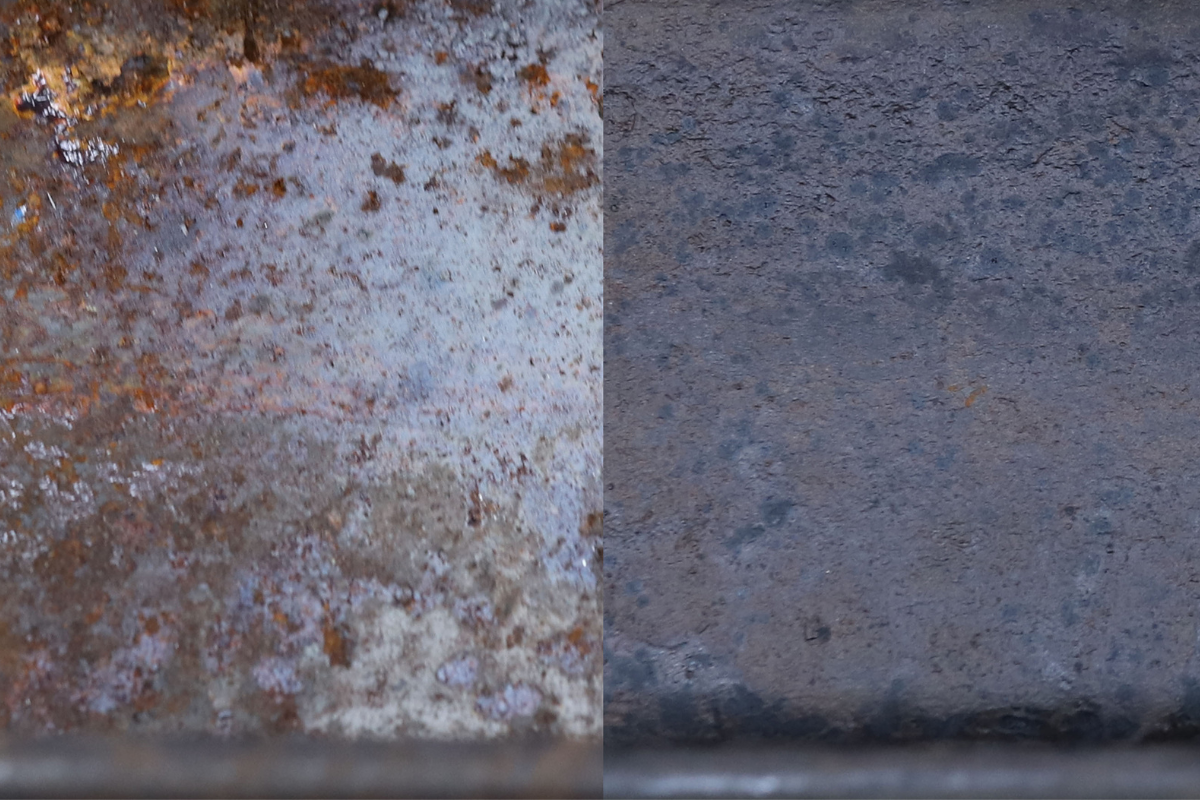
South African plants, mines, and fabrication shops fight the same enemy: corrosion. Humid coastal air, saline mist, dust-laden atmospheres, and cyclical load shedding that interrupts protective-coating cure windows all accelerate rust formation. When steel flashes brown on a critical conveyor frame or a process tank seam, the question arrives fast: what is the difference between rust removers and converters—and which one should you use now?
The short answer is that rust removers dissolve corrosion back to bare metal, while rust converters chemically transform rust into a stable, paintable layer. The longer answer matters to uptime, safety, and compliance.
In this feature, we unpack how to know which rust solution to use, the trade-offs that maintenance leads face on real jobs, the step-by-step decision logic that engineers apply, and the compliance backdrop—OHSA, SANS, and, on the maritime side, SAMSA and TNPA—shaping responsible rust management across South Africa’s industries.
Steel corrosion is iron oxide, but it never arrives in a neat, uniform layer. You’re dealing with mill scale remnants, old coatings, embedded salts, and moisture pathways. That’s why the “best practices for rust management” aren’t just about a magic liquid; they’re about surface prep, process control, and coating compatibility.
Both have their place—often in the same facility, sometimes even on the same asset at different stages of its life.
A Gauteng fabrication shop receives a rush order for replacement chutes feeding a minerals screen. The laser-cut parts arrive with light rust from a shipping delay and an unexpected Highveld thunderstorm. Production is booked; blasting is off the table.
The point is not that one chemistry is “better.” It’s that process reliability—from fabrication to installation—dictates the choice.
Under the Occupational Health and Safety Act (OHSA) and relevant SANS standards for surface preparation and coating application, employers must control risks from chemical handling, airborne residues, and confined-space work. That means:
For ship repairers and port-side contractors, SAMSA directives and TNPA rules bring additional layers: overspray control near waterways, containment for wet processes, and inspection sign-offs before re-immersion or sailing. Converters often appeal on exposed deck steel when rinsing is restricted—provided the coating manufacturer approves it for the system in use.
Not every primer loves a conversion film. Some epoxy or zinc-rich primers need direct contact with properly prepared steel. Always check the coating data sheet: if it calls for Sa 2½ blasting or prohibits passivated surfaces, a converter could be a future adhesion failure waiting to happen.
In coastal plants (Durban, Gqeberha, Saldanha), chloride contamination is a silent saboteur. A remover plus a proper rinse can strip salts; a converter may trap them. If you’re converting, consider salt tests and decontamination steps before application.
Use adhesion pull-off tests on trial patches. Record dew point, substrate temperature, and humidity. Inconsistent cure or chalking on the conversion film? Stop and investigate before coating an entire bay.
Choosing between remover and converter is a risk-and-cost equation:
For critical assets—pressure-retaining equipment, load-bearing frames, or hygiene zones—returning to bare metal and following the coating spec tends to pay for itself in fewer unplanned stoppages. For secondary steel or remote structures, converters can deliver smart value when properly executed.
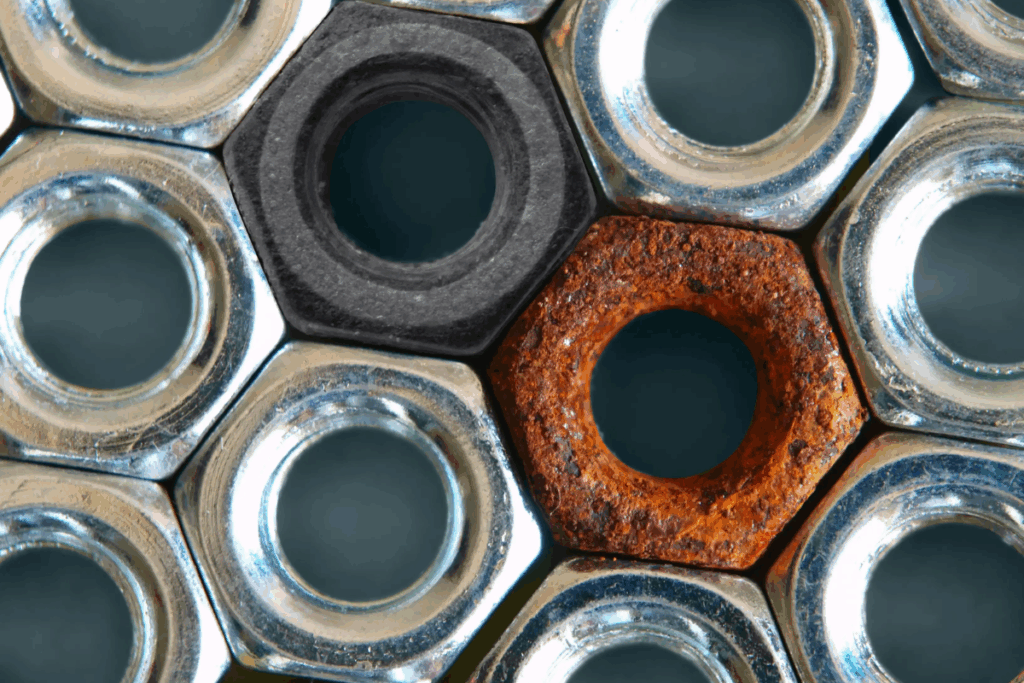
Different metals, different rules. Steel dominates, but plants are full of mixed alloys.
This is how plant maintenance leads reduce disputes and maintain process reliability—by turning “chemical choice” into a documented, repeatable workflow.
What is a rust remover vs a rust converter?
A rust remover chemically dissolves iron oxide, returning steel to bare metal when rinsed and neutralised correctly. A rust converter reacts with existing rust, forming a stable, paintable conversion layer. The choice depends on coating requirements, access, and the ability to rinse and dry surfaces.
How do I know which rust solution to use on site?
Start with your end coating system and environment. If you must weld or use a zinc-rich primer, a remover is safer. If access is difficult, rinsing is impractical, and hand-tool prep is your limit, a converter may be appropriate—provided your primer is compatible and cure times are respected.
Are rust converters as durable as full removal and repaint?
They can perform well on properly prepared, non-critical steel when the conversion film is fully cured and correctly overcoated. For critical assets or demanding coating systems, removal to clean metal typically offers better long-term reliability and fewer unplanned stoppages.
What are the safety considerations with removers and converters?
Both require PPE, ventilation, and SDS-informed controls under OHSA. Removers often need neutralisation and managed disposal of rinse water. Converters reduce water use but still require exposure control and careful handling. Always integrate SANS guidance and site permits.
Can I use rust converters on stainless, aluminium, or copper?
Converters are designed for iron oxide on ferrous metals. Stainless issues are often contamination or passivation-related; aluminium and copper require metal-specific cleaners. Consult metal-focused guidance for stainless steel, aluminium, and copper.
In South African industry, corrosion control is not a product choice; it’s a process decision. Use rust removers when you need honest metal and full coating compliance. Use rust converters when access, water constraints, or staging realities make stabilisation the smarter path—and when your topcoat system agrees.
For guidance tailored to your fabrication line, site environment, and coating spec, speak to Orlichem’s metal treatment specialists. Explore the sector overview at Metal Treatment or request a plant walkthrough to map options by asset criticality.
Orlichem — Industrial asset protection and process reliability, engineered for South African conditions.


 Previous