Rust Removers vs Rust Converters: What to Use When

March 03, 2025

difference between rust removers and converters

The difference between removing rust and converting it can be the line between a reliable asset and a recurring maintenance headache.

Why this debate matters in South Africas industrial reality

South African plants, mines, and fabrication shops fight the same enemy: corrosion. Humid coastal air, saline mist, dust-laden atmospheres, and cyclical load shedding that interrupts protective-coating cure windows all accelerate rust formation. When steel flashes brown on a critical conveyor frame or a process tank seam, the question arrives fast: what is the difference between rust removers and convertersand which one should you use now?

The short answer is that rust removers dissolve corrosion back to bare metal, while rust converters chemically transform rust into a stable, paintable layer. The longer answer matters to uptime, safety, and compliance.

In this feature, we unpack how to know which rust solution to use, the trade-offs that maintenance leads face on real jobs, the step-by-step decision logic that engineers apply, and the compliance backdropOHSA, SANS, and, on the maritime side, SAMSA and TNPAshaping responsible rust management across South Africas industries.


Rust 101: what youre treating, not just what youre seeing

Steel corrosion is iron oxide, but it never arrives in a neat, uniform layer. Youre dealing with mill scale remnants, old coatings, embedded salts, and moisture pathways. Thats why the best practices for rust management arent just about a magic liquid; theyre about surface prep, process control, and coating compatibility.

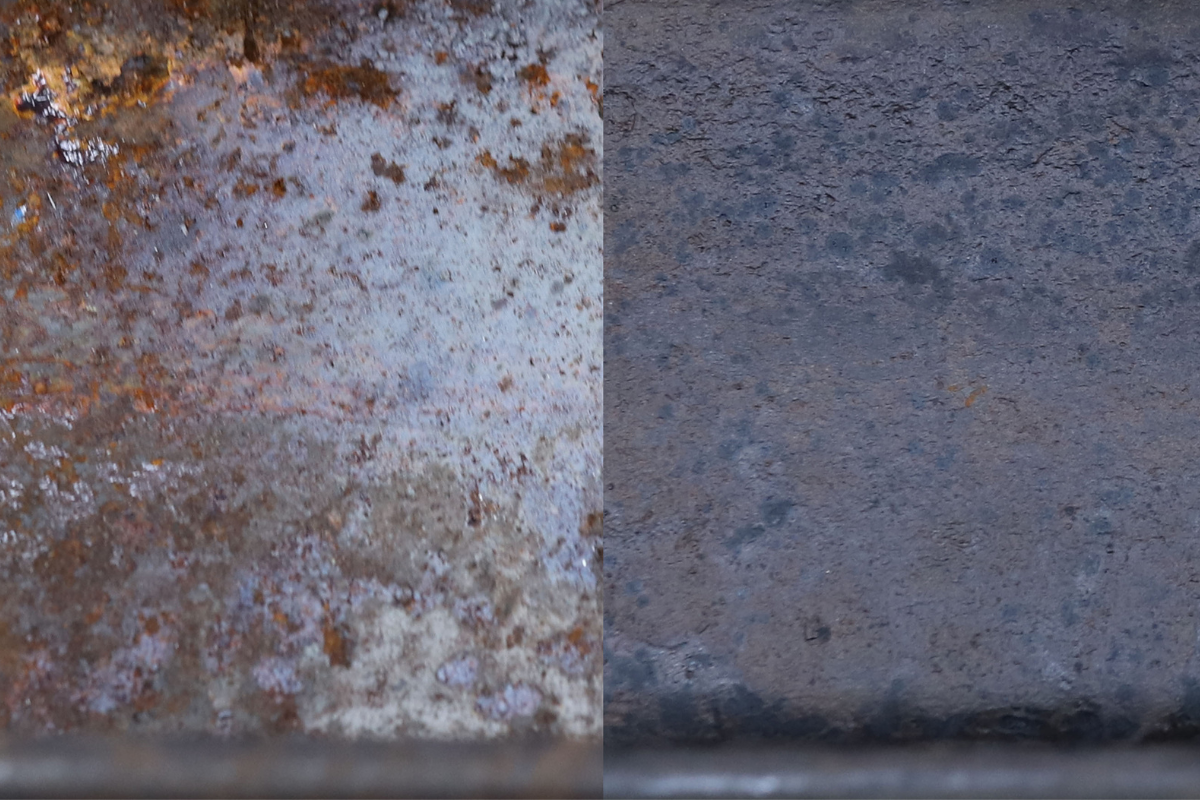
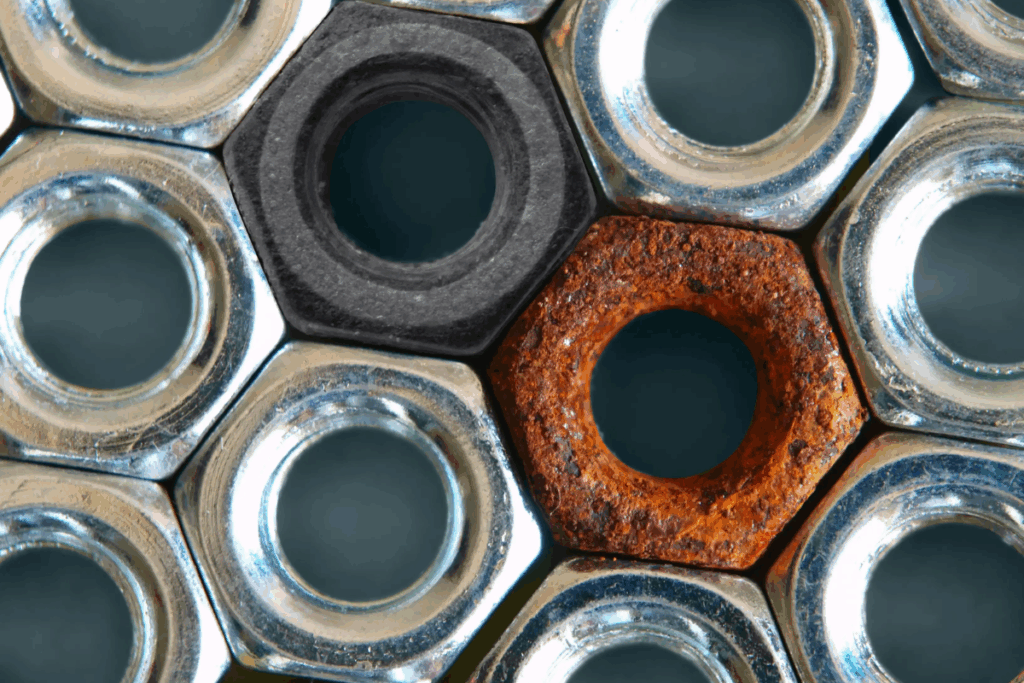
  • Rust removers (commonly acid-based or chelating) dissolve the oxide layer and leave clean substrate when applied and rinsed correctly.
  • Rust converters react with the iron oxide, forming a darker, harder conversion film that can be overcoated once fully cured.

Both have their placeoften in the same facility, sometimes even on the same asset at different stages of its life.


The practical difference in the field

When rust removers make business sense

  • Precision parts and tight tolerances. Fabrication engineers need true substrate for fit-up and welding. A remover returning steel to bright metal is ideal.
  • Deep pitting or heavy scalewhen you can rinse and neutralise. Removers bite into pits and undercut oxides. With proper neutralisation and drying, you get an honest surface profile for primers.
  • Pre-treatment for stainless, aluminium, and copper assemblies. In mixed-metal plants, youll often pair a remover (or metal-specific cleaner/passivator) with controlled rinsing to avoid galvanic headaches. Explore metals-focused practices here: Aluminium & Alloys, Copper, and Stainless Steel.

When rust converters win the day

  • Large structural steel where blasting or wet rinsing is impractical. Think high-mounted gantries or remote conveyors: a converter stabilises remaining rust after hand or power-tool cleaning to St 2/St 3.
  • Weather-exposed maintenance windows. If rain or fog threatens, a converter can lock the surface while you stage coating work, reducing flash rust risk.
  • Interim protection on non-critical steel. For secondary frames or guards, converting and overcoating may deliver acceptable life-cycle value without the cost of full strip-and-recoat.

The decision path: a story from the shop floor

A Gauteng fabrication shop receives a rush order for replacement chutes feeding a minerals screen. The laser-cut parts arrive with light rust from a shipping delay and an unexpected Highveld thunderstorm. Production is booked; blasting is off the table.

  • Option ARust remover: The team sets up a controlled area, applies remover, and follows with a neutralising rinse. Compressed air and heating fans accelerate drying. A zinc-rich primer goes on the same shift. The chute meets tolerance and welds cleanly.
  • Option BRust converter: Tempting for speedno rinse, less mess. But the welding specification calls for bare metal on the seam preps. A conversion film becomes a variable in weld quality and fume control.
  • Outcome: They choose remover, reserving converter for the installed frame components on site where rinsing is impractical and hand-tool prep is the reality.

The point is not that one chemistry is better. Its that process reliabilityfrom fabrication to installationdictates the choice.


Compliance and the duty of care

OHSA & SANS: plant-side responsibilities

Under the Occupational Health and Safety Act (OHSA) and relevant SANS standards for surface preparation and coating application, employers must control risks from chemical handling, airborne residues, and confined-space work. That means:

  • Method statements and SDS-driven controls. Whether youre using an acid remover or a converter, PPE, ventilation, and spill control should be documented and enforced.
  • Surface preparation standards. If the coating system requires blast or power-tool cleaning to a defined standard, your rust treatment must support that profile, not compromise it.
  • Waste and rinse-water management. Acidic effluent and dissolved metal salts demand compliant disposal or treatmentparticularly in food, beverage, and pharmaceutical facilities.

SAMSA & TNPA: the marine context

For ship repairers and port-side contractors, SAMSA directives and TNPA rules bring additional layers: overspray control near waterways, containment for wet processes, and inspection sign-offs before re-immersion or sailing. Converters often appeal on exposed deck steel when rinsing is restrictedprovided the coating manufacturer approves it for the system in use.


Best practices that separate rework from reliability

Start with the metaland the end coatingin mind

Compatibility is non-negotiable

Not every primer loves a conversion film. Some epoxy or zinc-rich primers need direct contact with properly prepared steel. Always check the coating data sheet: if it calls for Sa 2 blasting or prohibits passivated surfaces, a converter could be a future adhesion failure waiting to happen.

Chloride control and flash rust

In coastal plants (Durban, Gqeberha, Saldanha), chloride contamination is a silent saboteur. A remover plus a proper rinse can strip salts; a converter may trap them. If youre converting, consider salt tests and decontamination steps before application.

Process discipline turns chemistry into performance

Clean, apply, verify

  • For rust removers: Degrease first, apply uniformly, agitate where needed, then rinse and neutralise per product guidance. Dry thoroughlywarm air is your friend.
  • For rust converters: Power-tool clean to a firm, non-flaking surface. Apply thin, even coats; allow full chemical reaction and cure. Dont rush topcoatssolvent entrapment ruins the film.

Measure, dont guess

Use adhesion pull-off tests on trial patches. Record dew point, substrate temperature, and humidity. Inconsistent cure or chalking on the conversion film? Stop and investigate before coating an entire bay.


Cost, downtime, and life-cycle thinking

Choosing between remover and converter is a risk-and-cost equation:

  • Remover route: More control, truer substrate, often superior coating longevityoffset by time for rinsing, drying, and effluent handling.
  • Converter route: Faster staging, lower water use, fewer logistics at heightoffset by stricter film-cure control and potential primer-compatibility limits.

For critical assetspressure-retaining equipment, load-bearing frames, or hygiene zonesreturning to bare metal and following the coating spec tends to pay for itself in fewer unplanned stoppages. For secondary steel or remote structures, converters can deliver smart value when properly executed.
difference between rust removers and converters


Where to apply each approach across metals

Different metals, different rules. Steel dominates, but plants are full of mixed alloys.

  • Carbon steel: Both options apply. Prioritise remover for weld preps and spec-driven coatings; use converter on secondary steel after St 2/St 3 cleaning.
  • Stainless steel: True rust is usually exogenous contamination. Focus on decontamination and passivation rather than conversion. See: Stainless Steel.
  • Aluminium & alloys: Oxide behaviour differs; use metal-appropriate cleaners and etches. Avoid aggressive acid pickling unless specified. See: Aluminium & Alloys.
  • Copper/brass: Tarnish and oxide layers affect conductivity and braze qualityuse targeted cleaners. See: Copper.
  • For a full sector view: Explore Metal Treatment.

A step-by-step rust treatment guidetold as a workflow, not a checklist

  1. Define the endpoint. Are you welding, priming with zinc-rich, or applying a high-build epoxy? Let the coating system dictate the surface state.
  2. Assess environment and access. Can you rinse and dry? Are you working at height? Whats your containment plan?
  3. Test on a small panel. Trial both approaches if feasible: remover plus neutralise vs converter and cure. Measure adhesion after primer.
  4. Document the method. Write a simple, OHSA-aligned method statement with PPE, ventilation, and waste-handling steps.
  5. Execute and verify. Log temperatures, dew point, and cure time. Photograph surfaces before and after.
  6. Close out properly. Mark the area, record the system used, and schedule inspection. Reliability is a paper trail.

This is how plant maintenance leads reduce disputes and maintain process reliabilityby turning chemical choice into a documented, repeatable workflow.


Lessons from the field

  • Speed vs certainty. Converters speed staging but demand discipline: thin coats, full cure, correct topcoat.
  • Water is both friend and foe. Removers love a good rinse, but trapped moisture is the enemy of primers. Plan drying.
  • Spec beats habit. What worked on a guardrail may fail on a process vessel. Read the coating data sheet.
  • People make coatings work. The best chemistry fails under poor prep or rushed cure. Train crews; recognise good practice.

FAQ: Rust removers vs rust converters

What is a rust remover vs a rust converter?
A rust remover chemically dissolves iron oxide, returning steel to bare metal when rinsed and neutralised correctly. A rust converter reacts with existing rust, forming a stable, paintable conversion layer. The choice depends on coating requirements, access, and the ability to rinse and dry surfaces.

How do I know which rust solution to use on site?
Start with your end coating system and environment. If you must weld or use a zinc-rich primer, a remover is safer. If access is difficult, rinsing is impractical, and hand-tool prep is your limit, a converter may be appropriateprovided your primer is compatible and cure times are respected.

Are rust converters as durable as full removal and repaint?
They can perform well on properly prepared, non-critical steel when the conversion film is fully cured and correctly overcoated. For critical assets or demanding coating systems, removal to clean metal typically offers better long-term reliability and fewer unplanned stoppages.

What are the safety considerations with removers and converters?
Both require PPE, ventilation, and SDS-informed controls under OHSA. Removers often need neutralisation and managed disposal of rinse water. Converters reduce water use but still require exposure control and careful handling. Always integrate SANS guidance and site permits.

Can I use rust converters on stainless, aluminium, or copper?
Converters are designed for iron oxide on ferrous metals. Stainless issues are often contamination or passivation-related; aluminium and copper require metal-specific cleaners. Consult metal-focused guidance for stainless steel, aluminium, and copper.


Conclusion: treat the cause, respect the spec

In South African industry, corrosion control is not a product choice; its a process decision. Use rust removers when you need honest metal and full coating compliance. Use rust converters when access, water constraints, or staging realities make stabilisation the smarter pathand when your topcoat system agrees.

For guidance tailored to your fabrication line, site environment, and coating spec, speak to Orlichems metal treatment specialists. Explore the sector overview at Metal Treatment or request a plant walkthrough to map options by asset criticality.

Orlichem Industrial asset protection and process reliability, engineered for South African conditions.