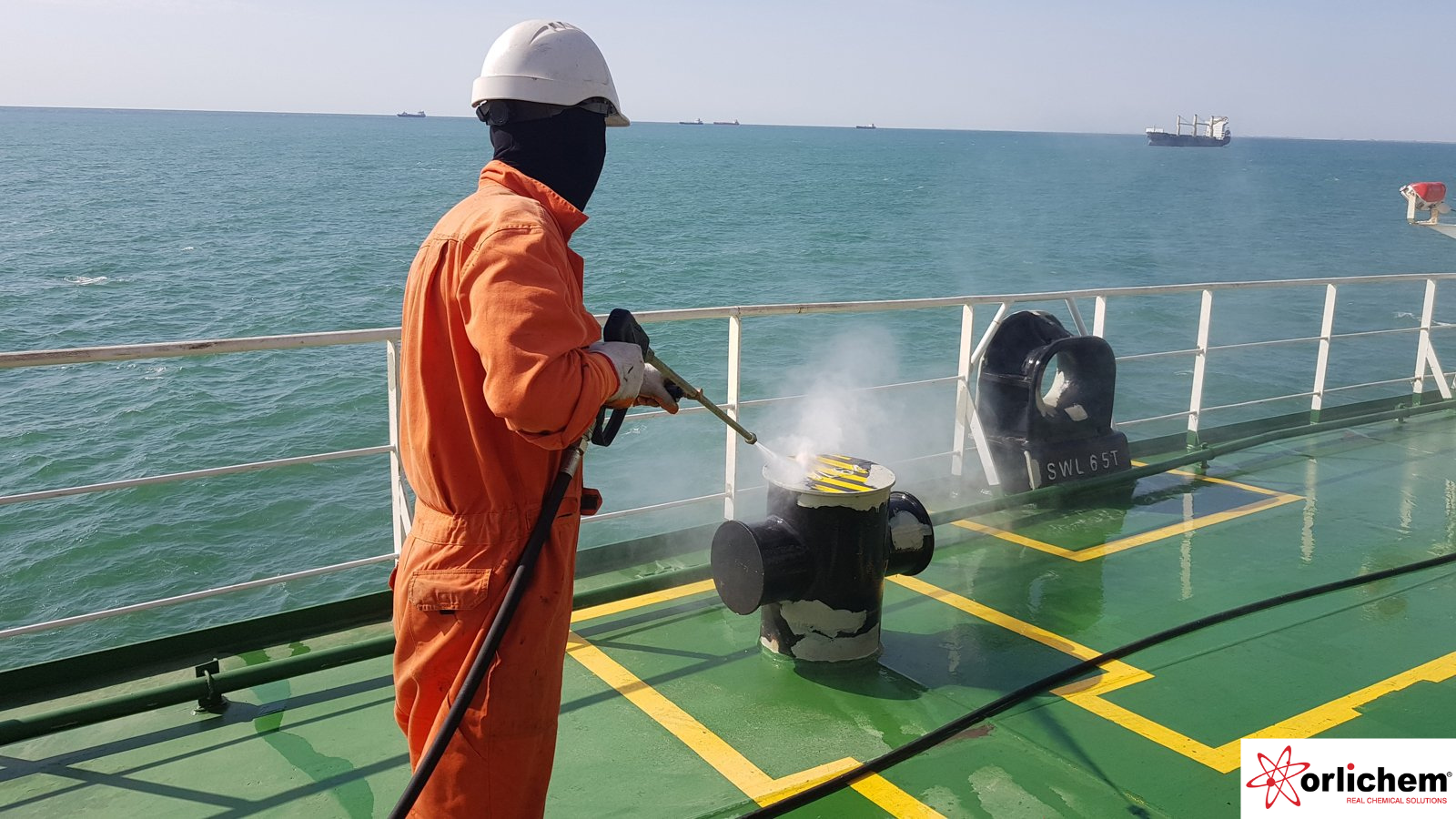
South Africa’s ship-repair hubs—Durban, Cape Town and Saldanha Bay—run on tight port calls and even tighter margins. Unplanned downtime for hygiene failures, contaminated stores, or slip-related injuries is costly and avoidable. As port state inspections intensify and customers demand cleaner, safer vessels, operators are asking a simple question with complex implications: how to maintain ships with deep cleaning while staying on schedule.
Deep cleaning on vessels is more than “spring cleaning.” It is a planned, risk-based programme that reaches behind panels and into bilges, under deck gratings and across food-contact areas, and it is documented to satisfy auditors. When done well, it safeguards crew health, preserves coatings and equipment, and keeps the voyage plan intact.
Repair windows in Cape Town and Durban are short, floating dock time is precious, and layby berths are oversubscribed. TNPA operational rules require safe access, waste control and coordination with multiple contractors. At the same time, SAMSA enforcement and Port Health inspections look closely at hygiene, stores, galleys and medical spaces. The effect is clear: marine cleaning schedules must be realistic, compliant and fast.
A dirty engine space hides leaks. A neglected galley risks pathogen transfer that can incapacitate a watch team. Slippery walkways drive recordable incidents. Corrosion accelerated by salt-laden residues shortens coating life. Each failure shows up as lost hours—or lost cargo opportunities. Deep cleaning, properly planned, improves mean time between failures and reduces reactive call-outs.
Daily wipe-downs and deck washes are housekeeping. Deep cleaning in ship maintenance goes further: degreasing engine-room deck plates and separators; flushing HVAC drain pans; descaling scuppers; disinfecting cold rooms and galleys to food-contact standards; removing biofilm from showers; and cleaning bridge consoles without damaging electronics. It’s systematic, surface-specific, and scheduled.
Risk is not uniform. Galleys, messes and ablutions carry hygiene risk; engine spaces carry fire and slip risk; cargo holds and decks carry coating and contamination risk. Chemistry must match the surface and soil: neutral detergents for food-contact areas, targeted degreasers for oils and fuels, and non-abrasive options for sensitive alloys and painted surfaces. (For a sector overview, see Marine Industry.)
A key lesson from South African repair crews: the product is only half the story. Dilution, dwell time and mechanical action determine outcomes, and the waste pathway must be planned before the first spray.
When the Cape Town agent confirmed a 36-hour alongside for a coastal container vessel, the vessel superintendent sat down with the chief mate, the bosun, and the service vendors. They mapped a marine cleaning schedule over the ship’s movement plan: bunkers at 02:00, stores at 06:00, hot work mid-morning, survey in the afternoon. Cleaning tasks were routed around those immovable blocks.
Day 1, morning (ship alongside): Engine-room walkways degreased in sections, with barricades and spotters; bilge coamings cleaned to expose welds before NDT; galley prep benches and cold room racks disinfected after stores were loaded; accommodation showers descaled during crew rotation.
Day 1, evening: Bridge consoles dusted and treated with electronics-safe cleaner; HVAC drip trays flushed; messroom tables disinfected after galley shutdown.
Day 2, morning: Deck scuppers and freeing ports cleared; paint prep areas solvent-free cleaned to improve adhesion; waste collected in labeled containers ready for reception facility.
By noon, the TNPA quayside remained clean, the SAMSA inspector signed off on waste receipts, and the port health officer recorded compliant galley temperatures and hygiene practices. No drama—because the plan was realistic.
Crews who keep vessels inspection-ready follow a cadence: identify risky zones; map tasks onto the port call; confirm chemistry, equipment and PPE; and brief the team. It’s the rhythm of maintenance efficiency, not a box-ticking exercise.
Mechanical action matters. Stiff brushes for non-skid steel; microfibre for food-contact; pads for stubborn polymerised oil. Dwell time decides results—especially on baked-on galley soils and oily residues. Rinsing is non-negotiable where residues could cause slips or contaminate food contact surfaces.
South African ports enforce strict waste handling. Allocate sealed containers for solid waste, coordinate with reception facilities, and document volumes. Keep grey-water and oily runoff segregated; never discharge cleaning effluent overboard in port. These are best practices for marine hygiene and essential for audit trails.
Toolbox talks before each shift; quick demonstrations of dilution and dwell; and clear barricading protocols keep people safe. The most effective teams rotate “cleaning leads” who verify dilution, test small patches before full application, and sign off the area with QA.
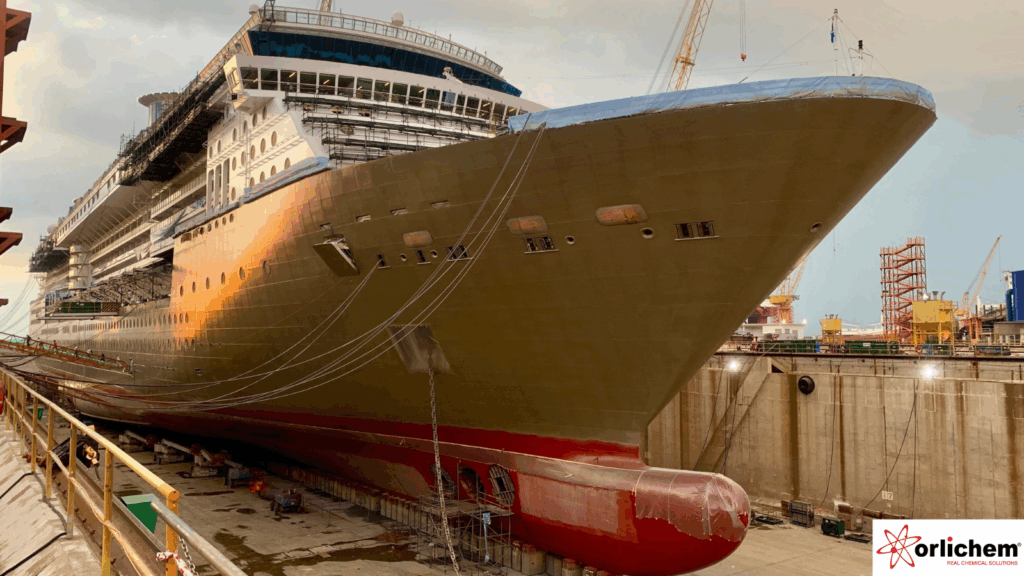
Expect scrutiny of sanitation spaces, food storage, medical rooms, garbage segregation and overboard controls. Keep Safety Data Sheets onboard and accessible; record who cleaned what, with which product, and where the waste went. Ship cleaning compliance in South Africa is as much about documentation as it is about visible results.
TNPA expects clean, contained work. Barricade hazard zones, prevent contamination of stormwater drains, and book waste collections early. If scaffolding or stages are used for topside cleaning, align with hot-work and working-at-height permits.
The Occupational Health and Safety Act framework drives PPE, labelling, ventilation and chemical handling. Relevant SANS standards guide hygiene and disinfection practices. Keep labels intact, ensure decanted containers are marked, ventilate enclosed areas, and never mix chemicals unless specified by the manufacturer.
Support paint prep with residue-free cleaning; flush tanks and lines as specified; document every step for the coating inspector and QA sign-off. Cleaning that protects adhesion today saves blasting budgets tomorrow.
A solid programme tracks: number of slips and hygiene incidents; audit findings; time-to-clean per zone; chemical usage per month; and non-conformances closed. Photos before and after, plus signed cleaning logs, give superintendents confidence during customer or regulator visits. Some operators add simple ATP swab checks in galleys and medical spaces for trend insight.
Walk the ship at shift change: dry, non-slip walkways; no oil smells in the ER; gleaming prep benches; labelled chemical stores; and tidy scuppers. Crew morale rises when accommodation looks and smells right. Inspectors notice, too.
Start with a one-day survey to map risk zones and quick wins. Update your marine cleaning schedule to follow the vessel’s real operational rhythm. Choose a surface-appropriate marine cleaner and train one shift at a time. Capture waste correctly and keep the paperwork clean. If you need a sector view or product guidance, explore: Marine Industry
Deep cleaning is a planned, documented process that reaches beyond day-to-day housekeeping. It targets hidden and high-risk areas—engine-room walkways, bilges, galleys, HVAC pans, ablutions and cold rooms—using surface-appropriate chemistry, correct dilution and dwell time, and proven waste-handling. The goal is safety, hygiene and asset longevity.
Build the schedule around the vessel’s movement plan. Align tasks with bunkering, stores, hot work and surveys; split areas into sections so operations continue; and pre-book waste handling. Prioritise high-risk zones daily (galley, ablutions, ER access), then rotate deep tasks weekly and at voyage end.
Expect alignment with SAMSA requirements, TNPA port rules, the Occupational Health and Safety Act (OHSA) and relevant SANS hygiene standards. Keep Safety Data Sheets onboard, label decanted chemicals, document tasks and waste, and maintain records for inspections and audits.
Use food-area appropriate cleaners and disinfectants as labeled, observe contact times, and rinse where required. Clean drains and door seals, manage cold room defrost cycles, and keep ventilation clear. Document routines and temperatures for inspections; never let residues create taint or slip risks.
Match the chemistry to the surface and soil: neutral or food-area suitable for galleys; targeted degreasers for oily engine spaces; non-abrasive options for coated decks and sensitive alloys. Test on a small area, follow label dilution and dwell instructions, and always plan the waste pathway.
Deep cleaning is maintenance. In South Africa’s high-pressure ports, operators that treat hygiene as part of asset care keep schedules tight, crews safe and inspectors satisfied. The recipe is simple: risk-based planning, surface-appropriate chemistry, disciplined execution and watertight documentation.
Contact Orlichem’s marine team about building a cleaning schedule that suits your vessel’s realities and supports compliance. Explore sector guidance and surface-appropriate options on the Marine Industry hub.


 Previous