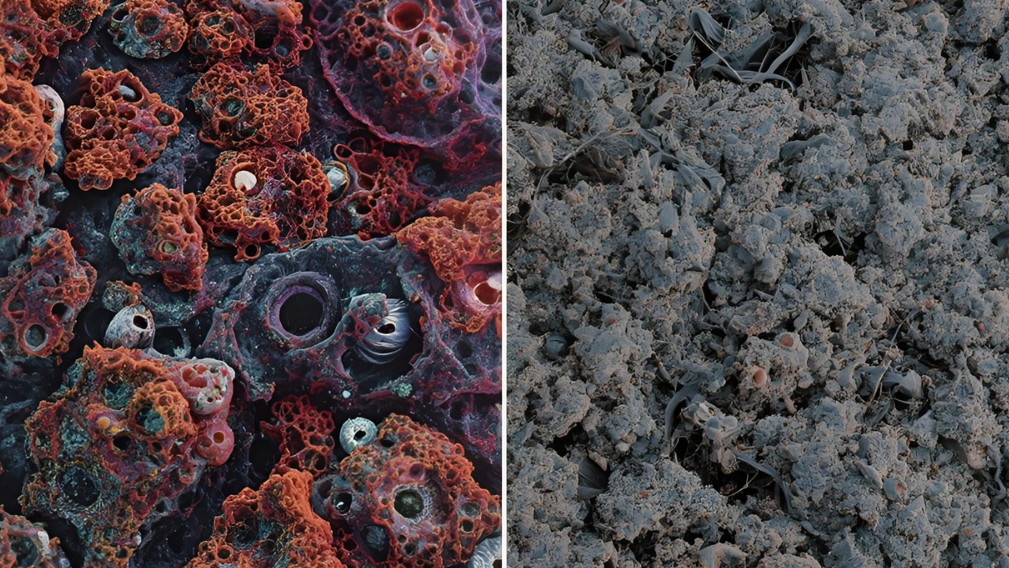
Food and beverage plants across South Africa are tightening hygiene regimes as export markets demand proof of control from raw milk reception to bright beer tanks. Yet one stubborn adversary keeps ambushing well-run sites: biofilm in clean-in-place (CIP) systems. It is not just a hygiene defect; it’s a business risk that drives unplanned downtime, higher chemical and energy spend, product spoilage, audit findings, and, in the worst cases, reputational damage. In an environment shaped by load-shedding, water constraints and cost pressure, understanding how to clean biofilm in food processing has become a competitive capability, not a housekeeping chore.
Biofilm is a structured community of microorganisms irreversibly attached to a surface and encased in a self-produced extracellular polymeric substance (EPS) matrix. The EPS matrix acts like a shield, limiting diffusion of sanitisers and allowing cells deep in the layer to survive routine cleaning—ready to reseed lines and vessels when conditions turn favourable. In short: if your CIP is tuned for free-floating planktonic cells, it will underperform against biofilm.
CIP regimes that hit temperature, time and chemical concentration set-points often still show variable results against biofilms—especially in dairy, brewing and beverage environments with mixed soils (proteins, fats, sugars) and complex geometries (dead legs, gaskets, flow-shadows). Biofilm cells can be up to 1,000× more tolerant to sanitisers than planktonic cells, and they exploit any drift in parameters, short-cycling, or water quality change. That’s why plants see “clean” verification pass one week and microcounts spike the next.
Hygiene management in South Africa is anchored in three pillars that matter directly to CIP and biofilm control:
Occupational Health and Safety Act (OHSA) duties also apply—particularly chemical handling, exposure controls and safe-work procedures during hot CIP and chemical dosing. While maritime bodies like SAMSA and TNPA govern port and shipboard environments, they become relevant only when plant logistics involve marine interfaces (e.g., bulk liquid loading) and hygiene controls extend into those operational zones.
For practical guidance and product-agnostic thinking on CIP programme design, see Orlichem’s CIP hub: industries/cip.
A brewery’s bright beer tank passes ATP on Monday. By Thursday, micro testing flags a low-level lactic hit. Maintenance logs show seals replaced two weeks earlier. The culprit? A micro-harbour where an over-tightened gasket created a micro-gap, shielding biofilm from turbulent flow.
A dairy’s alkaline-acid-sanitise cycle is validated on commissioning. Months later, energy-saving tweaks shave 5–7 °C off the caustic set-point and reduce recirculation time “just a little.” That small drift, combined with slightly harder make-up water, reduces cleaning energy and leaves EPS intact in heat-exchange plates.
A soft drink facility recycles final-rinse water to meet sustainability targets. Good idea—until bioload creeps up. Sanitiser demand rises, biofilm gains a foothold, and the plant chases symptoms instead of the source.
A QA manager runs a short cross-functional session—production, maintenance, engineering. On a piping and instrumentation diagram (P\&ID), they colour-code high-risk zones: long horizontal runs, dead legs >1.5D, pump seals, spray balls, plate heat exchangers, and valves with complex internals. Each zone gets a verification method (ATP, protein, rapid micro, coupons) and evidence owner. This turns “we did CIP” into “we reduced risk.”
Biofilm hates shear. The team verifies flow velocities meet design (typically ?1.5 m/s in lines; higher in problem zones) and that spray devices are delivering impact. They fix lagging pumps, replace worn spray balls with self-cleaning rotating heads where justified, and remove unnecessary dead legs. Only now do they touch the recipe.
There is no universal “best cleaner for biofilm”—only best for your soils and surfaces. Plants typically rotate or combine:
Under SANS 10330, plants substantiate that their chosen cycle does what they claim. Validation marries lab data (e.g., EPS disruption, log reductions on representative coupons) with operational trials (worst-case soils, maximum run lengths). Documented rationales—why 1.8% caustic at 72 °C for 25 minutes, why PAA at end-of-line, why weekly acid—matter when auditors ask “why this and not that.”
Verification isn’t “swab when there’s time.” It is a schedule: ATP or protein swabs at defined sentinel points post-CIP; weekly rapid-micro on rinse returns; monthly deep-dive with contact plates or biofilm indicators; quarterly coupon studies in notorious niches. Failures trigger a CAPA loop that includes mechanical inspection (gaskets, seats), water quality review, and recalibration of dosing and temperature loggers.
Biofilms adapt. Periodic rotation of sanitisers (e.g., hypochlorite ? PAA where compatible with materials of construction) and scheduled “reset cleans” (extended caustic/acid with boosted temperatures) help prevent tolerance. Always check elastomer compatibility and OHSA chemical safety before any change.
Night-shift shortcuts are where biofilm wins. Plants reduce risk by codifying CIP start-up and shutdown steps, mandating visual checks of returns, and giving operators quick reference cards tied to deviations (e.g., “if return temp < X °C for > Y min, repeat stage”).
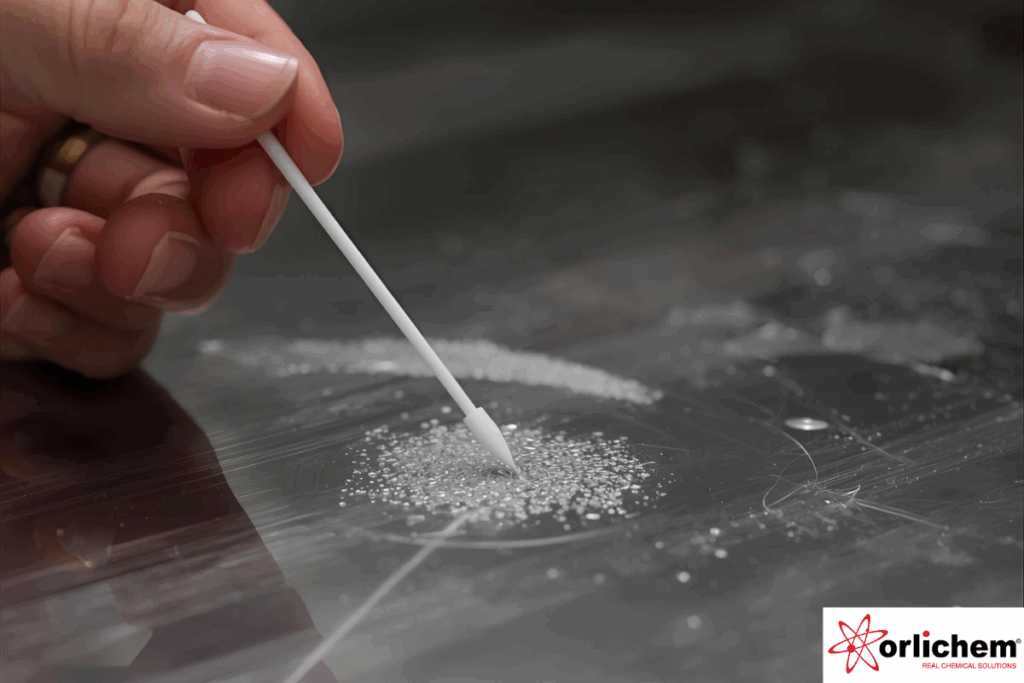
A 90-minute unplanned re-CIP on a filler costs lost throughput, extra energy, additional water, and micro-risk on restart; do that twice a week and a site loses full days per month. Chronic biofilm also drives higher chemical consumption as teams “dose to hope,” and it complicates environmental targets by increasing rinse volumes. Conversely, plants that invest in biofilm-specific validation report fewer micro-holds, clearer audits, and more predictable schedules—benefits that often outweigh the cost of improved spray devices or a better heat-exchanger cleaning regime. Industry case literature in dairy and brewing echoes this pattern: consistent biofilm control stabilises quality and supports sustainability commitments.
After weeks of intermittent positives, a dairy found EPS residues under a lip seal on a centrifugal pump. The fix wasn’t “more chemical”—it was swapping to a seal design with better cleanability, then re-validating at the new, lower caustic temperature. Micro holds disappeared.
A brewer’s plate heat exchanger looked spotless on tear-down—but protein mapping and coupons showed entrenched biofilm in micro-crevices. The solution paired a higher-flow alkaline stage with a planned acid “reset” and a change to a rotating spray head on the adjoining tank. CIP time stayed similar; outcomes improved.
A beverage plant logged rising sanitiser demand. A simple check on recycled final-rinse water found higher bioload after a process change upstream. Once corrected (plus a short rotation of sanitisers), ATP baselines stabilised.
Need a structured starting point? Orlichem’s CIP industry page outlines core considerations and related categories to guide an integrated, standards-led approach.
What is biofilm in CIP systems?
Biofilm is a community of microorganisms attached to surfaces and protected by an EPS matrix. This shield slows chemical penetration and makes routine CIP less effective, allowing surviving cells to reseed equipment between cycles unless the programme is validated for biofilm disruption.
How do you prevent biofilm in food plants?
Design out dead legs, verify turbulent flow, maintain validated temperatures and contact times, and sequence alkaline, acid and oxidising stages correctly. Trend ATP/protein and micro data at sentinel points, rotate sanitisers periodically, and close CAPA loops quickly when verification fails.
What are the best cleaners for biofilm?
There’s no single “best” across all plants. Effective programmes typically combine alkaline detergents (to remove organic soils), acid descalers (to remove mineral films that shelter biofilm), and oxidising sanitisers (such as PAA) to disrupt EPS and kill residuals—selected and validated for your soils and materials.
Which South African rules apply to CIP hygiene?
SANS 10049 sets prerequisite hygiene practices; SANS 10330 requires HACCP-based validation and verification of controls; R638 defines general hygiene requirements for premises and transport; OHSA governs safe chemical handling. Keep records that show your programme is effective in practice.
Does this differ between dairies and breweries?
Yes. Soil loads differ (milkstone vs beerstone; proteins/fats vs carbohydrates), equipment geometries vary, and water chemistry can be plant-specific. Validation must reflect your processes, soils and risk profile—even if the chemical classes look similar.
Biofilm is the hygiene challenge that hides in plain sight. Plants that treat it as a risk-managed, validated process—rather than a chemical purchase—see fewer micro-holds, tighter audits and steadier production. In South Africa’s compliance-driven context, aligning PRPs (SANS 10049), HACCP (SANS 10330) and R638 requirements with a mechanically sound, soil-smart CIP is the most reliable way to protect food safety and uptime.
Contact Orlichem’s CIP specialists about a standards-aligned, product-neutral review of your current programme and verification plan:
???? +27 21 932 6457 | ???? orders@orlichem.co.za
Explore: CIP


 Previous