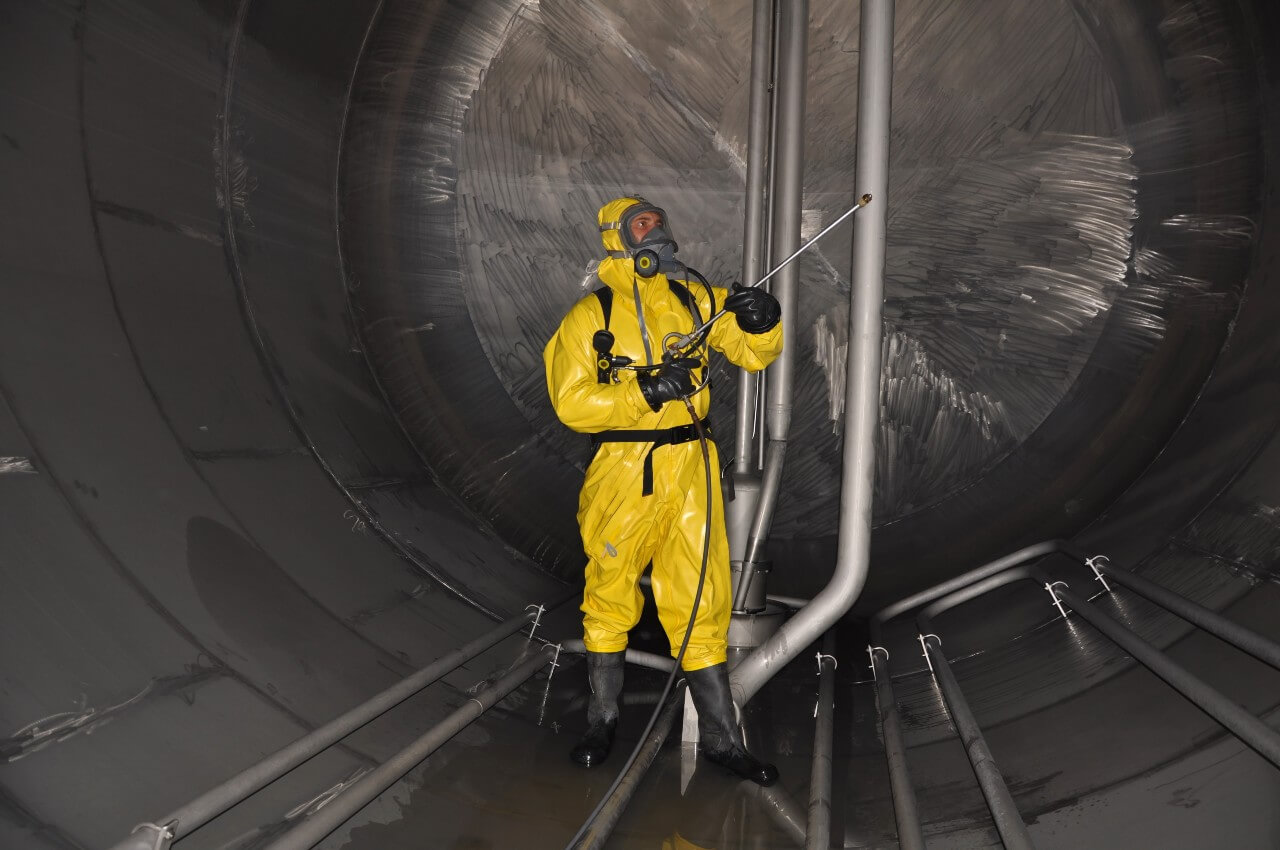
Across SA’s factories — from Gauteng fabrication shops to coastal food and beverage plants — clean equipment is a quality, safety, and throughput issue. Residues raise defect rates, foul sensors, compromise heat transfer, and slow lines. Done right, equipment cleaning in manufacturing reduces downtime, stabilises product quality, and keeps auditors and insurers on side. Done poorly, it drives corrosion, wear, and rejects — and soaks up budget in rework and call-outs.
Stainless, mild steel, aluminium, painted/coated parts, elastomers, and sensor housings all set limits on pH, oxidation potential, and solvent exposure. The art is choosing chemistry that removes soil without attacking the asset.
Use case: oily films, machining residues, general plant soils.
How it works: high pH breaks down fats and some organics; surfactants lift and suspend soils; sequestrants manage water hardness.
Operational notes: temperature accelerates cleaning; contact time and agitation improve penetration; thorough rinse prevents re-deposition.
Use case: heavy grease, tarry residues, vertical surfaces where run-off matters.
How it works: solvents dissolve hydrophobic films; water-miscible systems allow easy rinse-out.
Operational notes: ventilation, ignition control, and substrate compatibility are essential; prefer modern, low-odour, water-rinsable systems for safer operations.
Use case: boilers, heat exchangers, CIP circuits, wash tunnels with limescale or rust bloom.
How it works: acids dissolve carbonates/oxides; inhibitors protect base metal; chelators bind freed ions.
Operational notes: match acid strength/type to deposit; control temperature; neutralise and rinse thoroughly; protect sensitive alloys.
Use case: food residues (proteins, fats, starches) in low-temperature or water-constrained environments.
How it works: enzymes cleave specific bonds, making soils easier to remove in subsequent steps.
Operational notes: tight windows for pH and temperature; enzymes complement, not replace, primary cleaning steps.
Use case: baked-on carbon, polymer build-up, adhesive smears, burnt oils on conveyors.
How it works: blends of alkalinity, solvents, surfactants, or oxidisers tuned for a specific soil and surface.
Operational notes: follow operating windows; often benefit from foaming or gel formats for vertical cling.
It’s a Thursday night in Ekurhuleni. The maintenance planner has a four-hour window to prep a tunnel washer and adjacent conveyors before a capacity push.
Over-cleaning with aggressive acids or leaving alkaline residues creates corrosion pathways. Plants that win pair inhibitors with acids, keep dwell times tight, and verify rinse-out on hidden geometries.
Effluent pH, heavy metals, oils, and COD must meet permits. Smart programmes combine drag-out minimisation, counter-current rinses, and on-site neutralisation — plus clear logs for audits.
Cheapest-per-litre products often spike total cost to clean through extra passes, water, and labour. Monitor cost per clean, per asset-hour of uptime, not carton price.
Hard water can cripple detergency and leave spots. Adjust formulations (sequestrants), consider softened/filtered water for final rinse, and use temperature to speed kinetics where substrates allow.
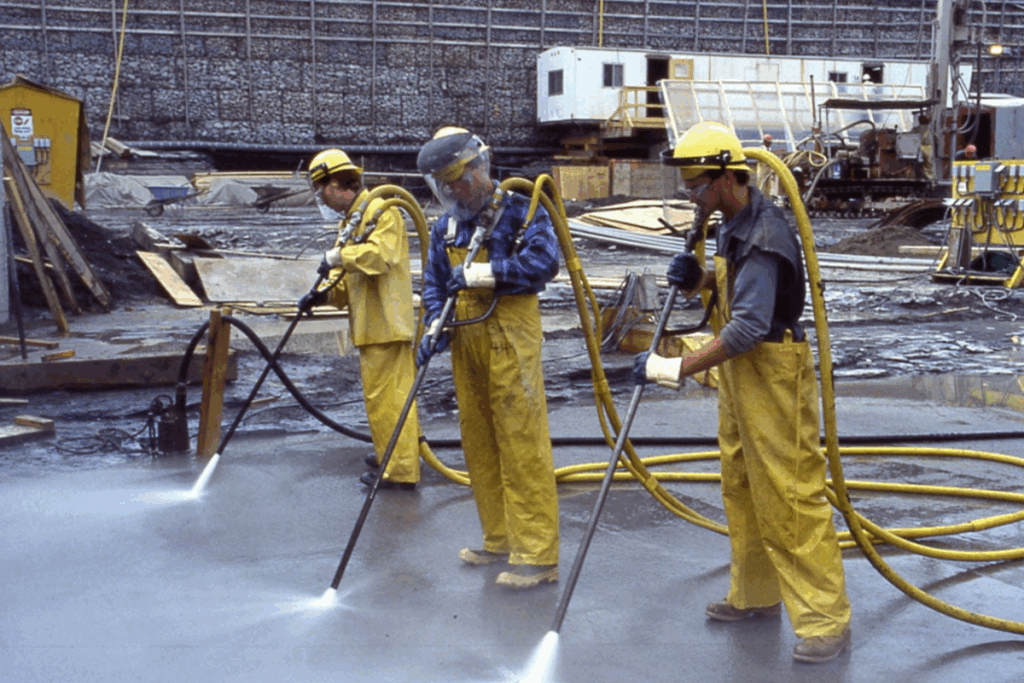
Regulatory lens: Align with OHSA duties for chemical handling and PPE, local water-use licences for effluent, and SANS/GHS for labelling and hazard communication.
Foams and gels improve dwell on verticals; low-foaming liquids suit CIP and auto-scrubbers. Match form to asset geometry and soil.
Automated dilution/dispenser heads reduce exposure and standardise results. Where not available, use metered pumps and ban “by eye” mixing.
Use timers and thermometers, not guesswork. Document windows on wall charts; design cleaning into scheduled stops to avoid “rush and hope”.
Residue equals re-soil and corrosion risk. Use conductivity or simple pH checks on final rinse; design drains and access so operators can actually do it.
White-wipe tests, ATP where appropriate, visual under good light — and a log that survives audits. Trending these data helps optimise dilutions and cycles.
Likely alkaline film or hard-water spotting. Reset with thorough rinse/neutralise; consider softened water for final rinse and a non-film-forming cleaner.
Too much product left behind. Reduce concentration, increase rinse quality, and review foaming to avoid pooling in crevices.
Insufficient acid exposure or wrong chemistry for deposit type. Reassess deposit (carbonate vs silica/iron), adjust inhibitor/acid mix, and monitor ?P/?T during clean.
Solvent overexposure or aggressive alkalinity. Switch to water-miscible solvent systems and tighten dwell; protect sensitive coatings during heavy cleans.
What’s the fastest way to improve cleaning outcomes without new equipment?
Standardise chemistry by soil/substrate, install simple dosing, and post clear wall charts. Most inefficiency comes from over/under-dosing and poor sequencing, not lack of “stronger” products.
How do I choose between alkaline and solvent-assisted degreasers?
Start with soil and substrate. Heavy oils on robust metals may tolerate alkaline + heat; tacky films on painted verticals may favour water-rinsable solvent systems. Trial both on a hidden area and measure passes/time to clean.
When should I use acids for descaling?
When deposits are mineral (hard water scale) or iron oxides affecting heat transfer or flow. Pair with inhibitors, control temperature/time, and neutralise/rinse thoroughly. Avoid acid on sensitive alloys without guidance.
Do enzymes replace traditional cleaners?
No — they complement them, especially for food residues at lower temperatures. They reduce energy and mechanical effort but still need proper rinsing and periodic alkaline cycles.
How do I keep costs down without sacrificing quality?
Measure cost per successful clean and downtime avoided. Optimise dilution via dispensers, target formats (foam/gel where useful), and design access for faster rinsing. Bulk-buy the right chemistries, not the cheapest-per-litre.
Clean equipment is engineered — not improvised. When SA plants match soil and substrate to the right chemistry, control dose/time/temperature, and rinse and verify with discipline, they bank uptime, safer workplaces, and steadier quality. The payoff shows up in energy draw, scrap rates, audit scores — and a quieter maintenance radio.
Need a plant-wide cleaning programme you can run shift after shift? Orlichem’s engineering team helps map assets to chemistries, set operating windows, and train crews — with documentation that stands up to audits.
Phone: +27 21 932 6457 • Email: orders@orlichem.co.za


 Previous