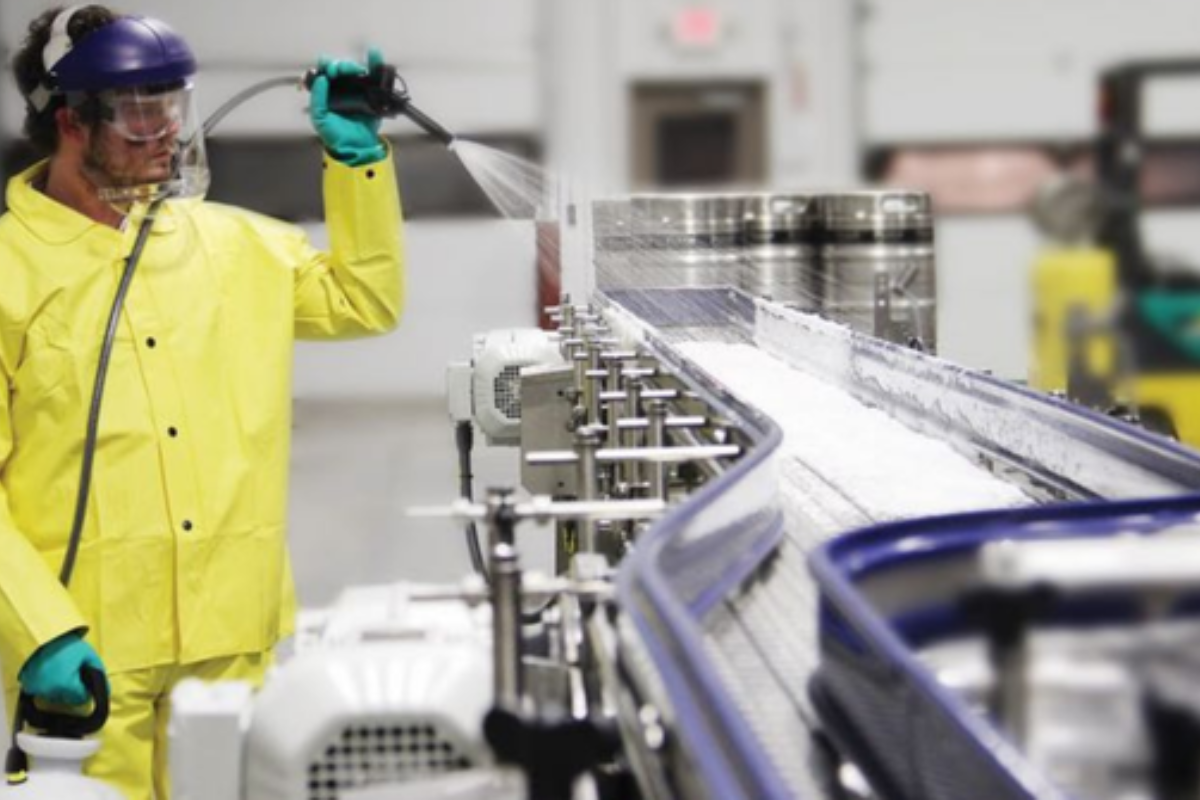
South Africa’s factories run on reliability. Bearings, chains, conveyors, press lines and CNC beds all fight the same enemy: oil, grease and carbonised soils that trap heat, slow production and compromise safety. Selecting what degreasers to use in manufacturing facilities is not a housekeeping afterthought; it is a maintenance and SHEQ decision that touches uptime, energy use, worker safety and audit readiness. In a price-pressured market, the right choice can shorten shutdown windows, prevent rework and keep procurement within budget without compromising compliance.
Visit the engineering industry hub for context on typical soils and surfaces found in local plants: Orlichem Engineering.
Every minute a line is stopped to strip a gearbox or wipe down a motor housing is a minute you’re not shipping. A low-cost but slow-acting cleaner can stretch a two-hour window into half a shift. Conversely, a mismatched, aggressive product can dull aluminium, lift paint or damage seals—adding an unscheduled repair to the very maintenance task meant to prevent one. Good plants calculate the full cost: labour, PPE, waste handling, ventilation time, re-starts and inspection—then choose chemistry that reduces the total, not just the price on the drum.
Choosing among chemistries starts with the soil and the surface. The most common options on SA factory floors include:
Fast on thick, stubborn grease and baked-on oils, especially in maintenance bays and heavy engineering. Look for higher flash points for reduced flammability risk, and ensure excellent ventilation. These are often the best degreasers for heavy-duty machinery when speed is the priority and rinsing options are limited.
Water-based, surfactant-rich cleaners—from mild to caustic—disperse cutting fluids, machining oils and general shop grime. They suit dip tanks, spray, foam and pressure applications. Non-caustic options can be kinder to soft metals and painted surfaces while remaining effective on common industrial soils.
Derived from plant terpenes or low-VOC blends, these options balance performance with a reduced environmental footprint. They are popular in food-adjacent fabrication, packaging and assembly where odour, ventilation and waste minimisation are under scrutiny.
Built for recirculating baths and ultrasonic tanks, these maintain cleaning power over multiple cycles, saving time during batch maintenance and rebuilds.
For a focused view of plant-ready options, see Degreasers for Engineering: Orlichem Degreasers (Engineering).
On a Friday shutdown in Ekurhuleni, Nomsa, a maintenance supervisor, splits her team between the press shop and the toolroom. The press line’s chain drives carry hardened grease mixed with dust—classic solvent territory for speed. She specifies a high-flash solvent for wipe-on/wipe-off work, with a spotter on ventilation and ignition sources.
In the toolroom, CNC beds show films of water-miscible cutting fluids. Nomsa selects a non-caustic aqueous degreaser for spray-and-rinse, then inspects aluminium fixtures for any dulling. A quick “white-rag test” confirms soils are lifting cleanly without residue. By choosing chemistry to fit what types of degreasers are used in factories—and the materials at hand—she avoids both rework and surface damage.
The plants that clean well without chaos treat degreasing like any other controlled maintenance job:
Before a spanner turns, the supervisor walks the area with production, assessing soils, nearby heat sources, drainage points and the restart time. If painting or recoating will follow, residue-free cleaning becomes a must to prevent adhesion failure.
Dip tanks and part washers win for repeatable results on smaller parts. Open-plant cleaning prefers low-mist spraying or controlled foaming to limit aerosol. Where electrics or bearings are near, wiping beats flooding; the aim is to remove soils, not push them deeper.
A good degreaser is given time—but not too much—to work. On carbonised deposits, a plastic scraper or brush halves the chemical load and the dwell time. On conveyors, a sequence of apply-agitate-wipe minimises runoff and keeps restart quick.
The team inspects by feel and function. Components should be dry to touch, free of slip risk and ready for torqueing or lubrication. On critical assemblies, a low-residue cleaner is chosen to avoid torque scatter or false torque due to film build.
For a plant-wide option when you need one product to handle mixed soils, compare against a specialist industrial degreaser and validate on your own parts: Orlichem Industrial Degreaser.
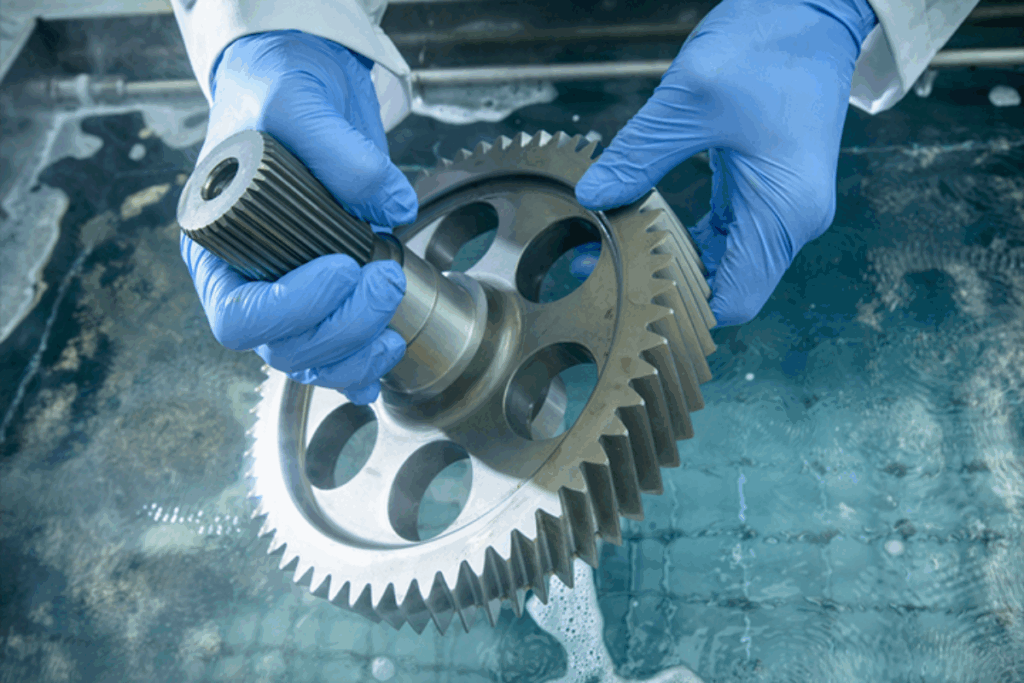
South African facilities operate under the Occupational Health and Safety Act (OHSA) and relevant SANS standards for labelling and safe handling aligned to GHS. What that means on the floor:
Before switching products, SHEQ and maintenance review the Safety Data Sheet, identify hazards (corrosion, flammability, inhalation), set PPE, and plan ventilation or local extraction. Storage segregation and bunding are checked, especially for solvents.
With solvent degreasers, high flash point helps, but vapour management still matters. Fans, open doors and isolating ignition sources reduce risk. Lockout/Tagout applies when cleaning near live equipment or rotating parts.
Aqueous cleaners may enter trade effluent systems only if pre-treatment and permits allow. Plants near ports or shipyards fold in site rules that align with authorities; where marine work is involved, teams ensure discharge practices and work methods align with local port requirements and applicable national standards. In all cases, keep emulsions out of stormwater and document waste manifests.
SHEQ records training, PPE checks and disposal dockets. Procurement retains specifications and change logs. During audits, this paper trail proves that degreaser safety in industry is not a slogan but a managed process.
Stamping presses, kiln drives, wire-drawing lines and earthmoving rebuild bays all lean on heavy-duty solutions. The practical route is often a two-product approach:
This approach removes the bulk fast, then ensures surfaces are safe to work on—no slips, no lingering film that could compromise fasteners or coatings.
Modern plants want lower odour, lower VOCs and easier waste handling—without sacrificing throughput. Hallmarks of eco-conscious degreasers in South Africa include non-flammable bases, reduced VOC content, effective surfactants for cold-water cleaning, and formulations that separate oils for simpler skimming and disposal. The key is to validate on real soils: measure time to clean, cloths consumed, ventilation time and restart reliability. If the “green” option meets your takt time, it’s not a compromise—it’s an upgrade.
A machining plant in the Vaal struggled with weekend shutdowns that drifted into Monday mornings. Swapping to a high-flash solvent for first-pass cleaning and a non-caustic aqueous follow-up cut total cleaning time by 35%. Ventilation improved, slips dropped, and rework on painted assemblies fell away. Procurement’s drum price rose slightly; production’s output rose a lot.
The hourly cost of a stopped packaging line dwarfs the price difference between average and excellent cleaners. When you calculate what degreasers to use in manufacturing facilities, treat chemical selection like any other capacity decision. If the product helps maintenance finish inside the window, restarts cleanly and leaves parts ready for assembly, it pays for itself before first shift ends.
What types of degreasers are used in factories?
Factories typically use solvent-based cleaners for heavy, baked-on grease; aqueous alkaline cleaners for general plant soils; terpene/low-VOC options for eco-conscious performance; and emulsion formulas for part washers. The right choice depends on the soil, the surface and your application method.
How do I choose a degreaser for heavy-duty machinery?
Match chemistry to the soil and the time available. For thick, stubborn deposits, start with a fast-acting solvent or strong alkaline cut, then finish with a lower-residue cleaner. Validate on your equipment: measure dwell time, wipe effort, rinsing and readiness for torqueing or coating.
Are eco-conscious degreasers effective in South African plants?
Yes—modern low-VOC, non-flammable formulations can rival traditional options. The key is proof on your soils: run side-by-side trials and track total job time, cloths used, ventilation and restart. If performance holds and waste handling improves, the choice is straightforward.
What are the essential safety steps when using degreasers?
Start with a risk assessment and the SDS. Set PPE, ensure ventilation, isolate ignition sources, and control overspray or runoff. Store and segregate chemicals properly, train teams and document waste handling in line with OHSA and relevant SANS labelling and handling requirements.
Can degreasers affect painting or coating quality?
They can. Some leave films that cause adhesion failure or paint defects. Before coating, use a low-residue cleaner, control dwell time and verify cleanliness with a simple white-rag test. If in doubt, run a small paint adhesion check before releasing to production.
How should waste from degreasing be handled?
Keep oils and emulsions out of stormwater. Use separators or approved trade effluent systems where permitted, and manifest hazardous waste via licensed handlers. Plants near ports and shipyards follow site-specific rules and local standards for any discharge or on-site work areas.
The smartest South African plants don’t buy degreasers—they buy uptime. When maintenance, SHEQ and procurement choose chemistry together, cleaning becomes predictable, safer and faster, with fewer surprises at audit time. If you’re re-evaluating what degreasers to use in manufacturing facilities, start with your soils and surfaces, then prove the winner on your floor.
Explore options tailored to local engineering environments here:
Speak to Orlichem’s engineering team to benchmark a plant-fit solution and reduce your next shutdown window.


 Previous