August 13, 2025

South Africa’s hotels, resorts, hospitals and campuses are operating under two hard realities: rising utility tariffs and recurring water constraints. For laundry managers and hotel operations teams, those pressures converge in the wash house—a high-volume, high-cost utility hub. Water-saving laundry technology has moved from “nice to have” to operational necessity. Beyond conservation, it drives lower energy use, reduced chemical demand, longer linen life, and verifiable sustainability reporting. In a sector where guest experience and cost control are everything, efficient laundries help keep rooms turning and EBITDA steady.
South Africa is a water-stressed country. Municipal restrictions arrive with little notice, tariffs ratchet upward, and drought cycles are part of the operating landscape. Hospitality and institutional laundries—processing towels, sheets, banquet linens, scrubs, and uniforms—can run tens of thousands of litres per shift. That consumption is linked directly to energy for heating, pump loads, chemical dosing, and effluent treatment. The compounding effect is stark: cut water, and you often cut costs twice.
At the same time, global guests expect demonstrable sustainability. Corporate travel policies increasingly favour properties with credible environmental programmes. For SHEQ leaders and procurement, the brief is clear: reduce total cost of laundry while improving regulatory compliance and environmental performance.
None of these elements acts alone. The biggest wins arrive when engineering, chemistry, and operations are aligned to the fabric mix, soil profile, machine fleet, and throughput targets.
A robust SHEQ-centred operating procedure ties the engineering upgrade to daily behaviours: pre-sort discipline, load sizing, cycle selection, auto-dosing validation, and verification rinses. The payoff is stable quality with fewer surprises.
The laundry manager, the SHEQ officer, and the chemical partner walk the plant. They measure litres per kilogram, cycles per shift, re-wash rate, temperatures, hardness, and drying times. They log incoming water hardness and check dosing pump calibration. Quick wins appear: two machines are over-filling; rinse levels are set for worst-case loads; a softener salt bridge is raising hardness. Adjustments are made, and water per cycle drops—no capex yet.
With baseline data in hand, the team aligns products and dosing to load classes. Towels get a lower-temperature, high-mechanical action cycle with an alkali booster and controlled liquid detergent dose; chef whites retain a bleaching step; delicate table linens get reduced alkalinity and a protective fabric softener finish to preserve hand-feel. Re-wash rate shrinks as chemistry meets reality.
Explore relevant product categories: Alkalik Boosters, Liquid Detergents, Fabric Softeners.
Smart control packages are installed on the highest-volume washers. Final rinse water from Cycle A is captured, screened, and redirected to pre-wash on Cycle B. Water meters and temperature probes feed a dashboard. Within weeks, the team can see which shifts outperform and where operator overrides spike consumption. A short training refresh brings the fleet back into spec.
Planned maintenance is moved from reactive to predictive using controller alerts (e.g., fill-time anomalies). Auto-dosing tanks get weekly volume and concentration checks. The SHEQ logbook records water intensity (L/kg), energy per cycle, and chemical consumption against linen class. The CFO now sees a predictable utility run-rate.
South African laundries operate under a web of national and municipal requirements:
A compliance-first laundry doesn’t merely “pass audits.” It uses these frameworks to design safer workflows, reduce risk, and document savings credibly.
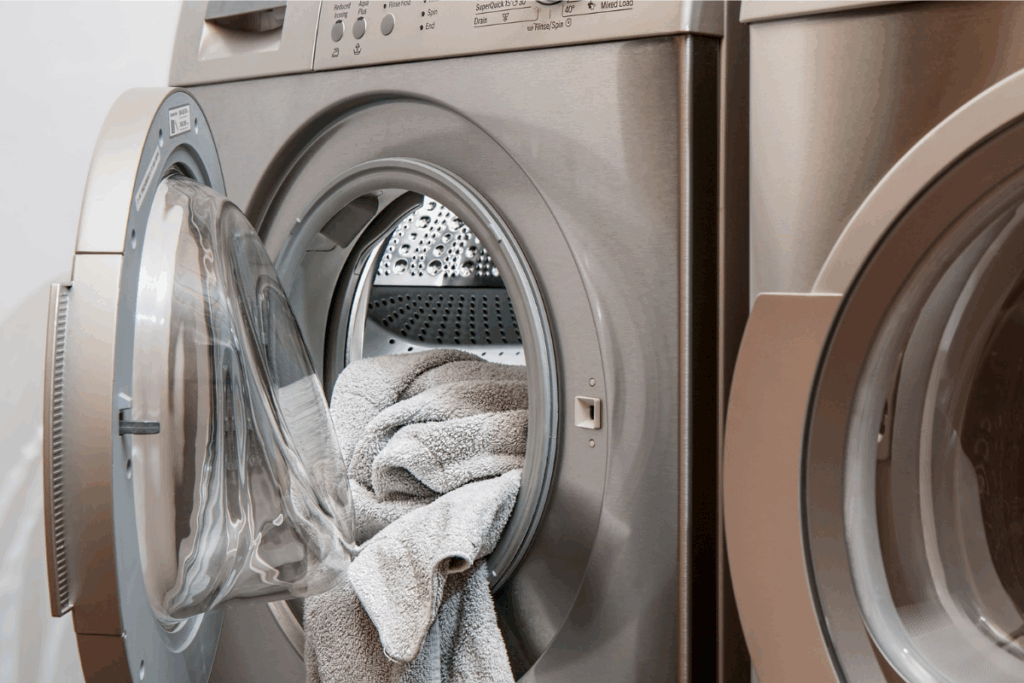
True savings arrive when you treat laundry as a process line: pretreatment (soften/condition), wash (low-liquor, right chemistry), recovery (rinse reuse), finishing (correct extraction), and drying (moisture-controlled to avoid over-drying).
Formulations must deliver soil removal and disinfection at reduced water and temperature. Explore Powder Detergents or Bleaches appropriate to your linen classes and risk profile, and verify with on-linen tests rather than bench assumptions.
Operators should be confident in load classification, cycle selection, and auto-dosing checks. Supervisors need simple dashboards—L/kg, kWh/cycle, and re-wash rate—displayed where shifts can compare performance.
What gets measured gets managed. A monthly water-intensity KPI, signed off by operations and SHEQ, becomes your internal North Star and your external ESG talking point.
Guests don’t see the laundry, but they feel it: crisp sheets, soft towels, and quick room turnarounds. Efficient laundries shrink the gap between peak occupancies and housekeeping readiness. They also reduce the risk of service disruption during water outages. In an industry built on reviews and repeat business, the laundry is more than a cost centre—it’s a reputation engine.
What are the benefits of water-saving laundry technology for hotels?
Water-saving systems cut fresh-water use, lower energy for heating, and reduce chemical demand. Hotels see lower utility bills, fewer re-washes, faster throughput, and longer linen life. Because consumption is tracked, properties can also report credible ESG metrics in corporate RFPs and sustainability disclosures.
How does water conservation support hotel sustainability goals?
Conservation directly reduces a property’s water-intensity per occupied room, a common ESG indicator. Lower water use drives lower energy and emissions, improving Scope 2 performance. Documented baselines and monthly KPIs help hotels meet internal targets and demonstrate progress to corporate travel buyers.
Will upgrading laundry systems disrupt operations?
Most upgrades are phased: start with calibration, dosing, and operator training; then add smart controls and rinse recovery on the highest-volume lines. With careful planning, laundries maintain throughput while savings accrue, avoiding peak-season risk.
Do efficient systems compromise hygiene or fabric quality?
No—provided chemistry and cycles are matched to load classification and water quality. Low-liquor, low-temperature programmes with appropriate detergents, boosters, bleaches, and softeners can meet hygiene standards while protecting fibres and colours.
What regulations apply to institutional laundries in South Africa?
Key frameworks include OHSA for worker and plant safety, the National Water Act and municipal by-laws for water use and effluent, and relevant SANS hygiene and equipment standards. Environmental duties under NEMA also apply. Your chemical partner should help interpret these in your specific municipality.
Where should we start if budgets are tight?
Begin with a two-week baseline: measure L/kg, energy per cycle, re-wash rate, and hardness. Recalibrate machines, verify dosing, and train operators. Many sites achieve double-digit savings before installing recovery systems, making the business case for further investment.
South African hospitality and institutional laundries are on the front lines of water scarcity and cost escalation. Water-saving laundry technology—combined with tuned chemistry, disciplined operations, and clear KPIs—offers a practical path to resilience. The result is more than a smaller water bill: it’s stronger guest experience, longer linen life, and a credible sustainability story backed by data.
Ready to cut water, energy, and chemical costs—without compromising quality? Talk to Orlichem’s laundry specialists about right-sizing your chemistry and processes for a water-efficient operation. Explore our product categories to support your upgrade: Alkalik Boosters, Liquid Detergents, Fabric Softeners, Bleaches, and Powder Detergents.


 Previous